Archives

Artificial Intelligence in Biomedical Engineering

Explore the basics of artificial intelligence for tracking health and emotions

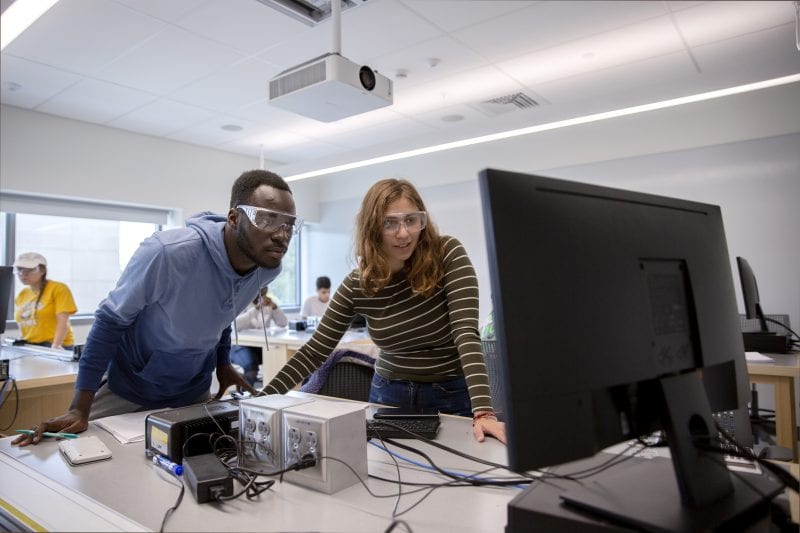
The objective of the course is to provide the students with hands-on experience in artificial intelligence applications for developing biomedical instrumentation. We will study what artificial intelligence is, its current uses, potentialities, challenges, and risks, in a practical and simple way. We will explore some algorithms and mathematical models that help machines "learn" and make decisions, including decision trees, support vector machines, and neural networks. From deep learning models, which are multi-layered neural networks, we will explore the amazing applications, and how can be used for detecting diseases. The students will be able to build their own artificial intelligence models using available data and data that they will collect in a simple experiment, using a platform that does not require coding.

Students will understand what exactly artificial intelligence is, and will be able to explain the functioning of widely used machine learning algorithms. Students will be able to identify the applications of machine learning in biomedical instrumentation and its future opportunities in this field all through hands-on experiences in training artificial intelligence models.

Sessions Offered

Session 1:

June 20, 2027 - June 26, 2027

Format

Residential, Non-Credit

This class is meant to be immersive and students will:

  • Learn the basics of artificial intelligence, including several machine learning algorithms
  • Understand the applications of artificial intelligence to biomedical instrumentation
  • Apply concepts of artificial intelligence in practical projects

Related Careers:

  • Bioinformatics Specialists
  • Medical AI Engineer
  • Wearable & Biosensor Technology Developer

Meet the Professor


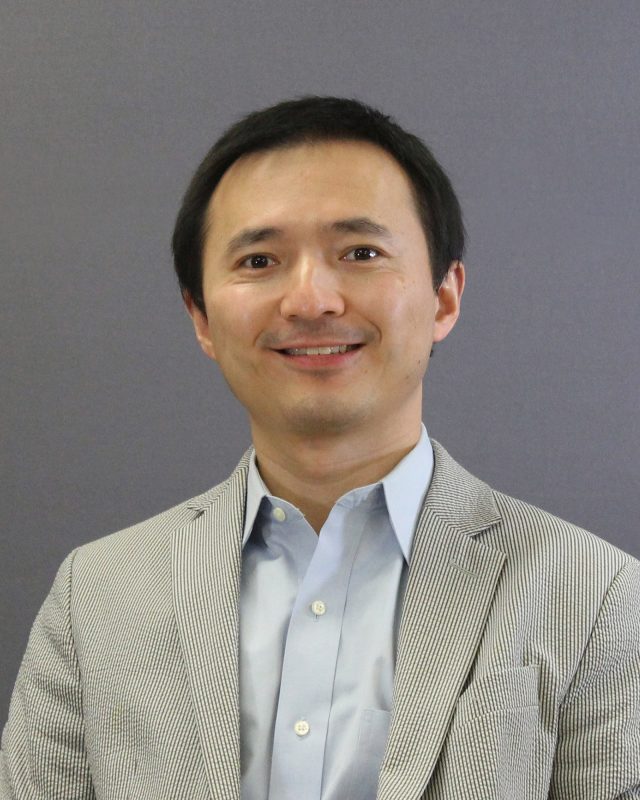
Hugo F. Posada-Quintero, Ph.D.

Assistant Professor in the Department of Biomedical Engineering

My research includes the development of signal processing techniques, wearable instrumentation, and sensors for biomedical applications. Specifically, the aim of my research is to develop models and biomedical instrumentation for the detection and prediction of stress, fatigue, pain, emotional state, hydration status, wakefulness, cognitive performance, and heart failure, among others. We use modern mathematical tools to process bioelectrical signals obtained from different sites of the body, like the electrocardiogram, electromyogram, photoplethysmogram, and electrodermal activity, and explore the relationship between those signals and the biomedical variable being detected or predicted. Our mathematical processes are focused on the development of more sensitive biomarkers and features, and the development of multimodal algorithms (multiple signals combined). In addition, we use our novel features and train artificial intelligence tools (machine learning and deep learning algorithms) for the development of more accurate models. Furthermore, we develop novel sensors and electronic devices to better capture electrophysiological signals using portable and wearable devices.

Multimedia Journalism

Learn how to report news stories with words, photos, graphics, audio, video and social media

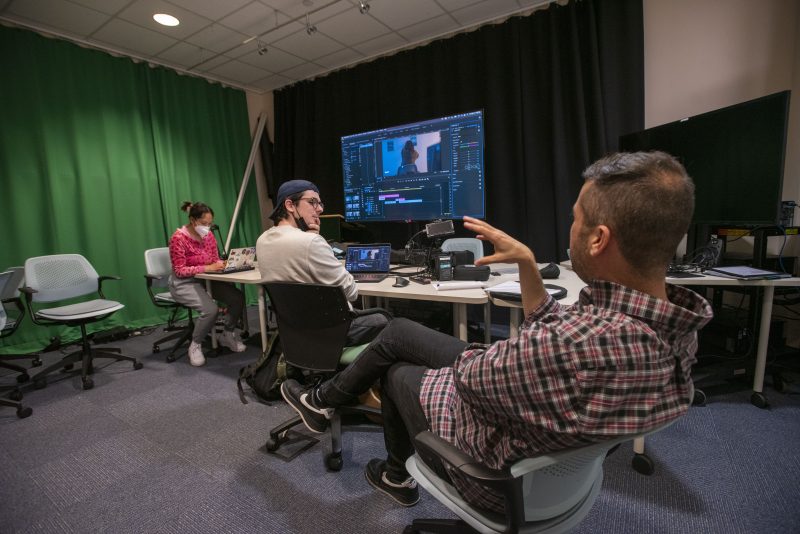
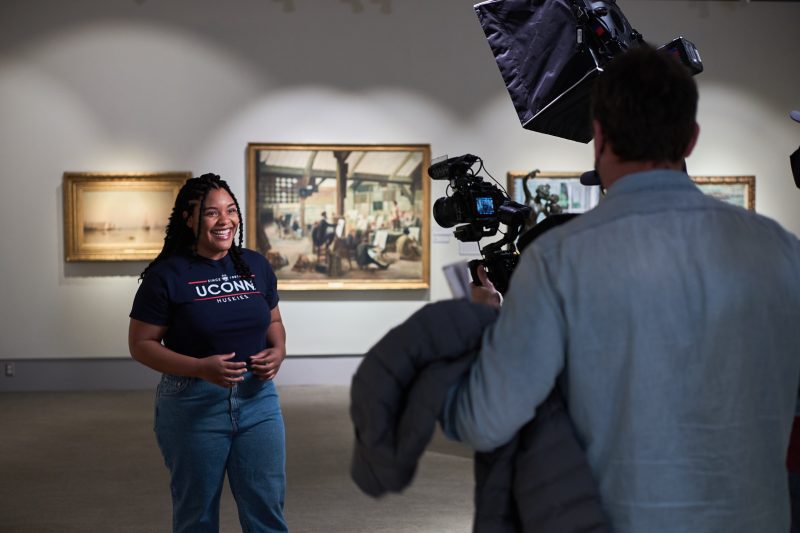
Multimedia Journalism will introduce students to news reporting, interviewing and storytelling skills for print, broadcast and digital news outlets. Students will learn how to interview people, uncover news, separate fact from fiction, and engage a digital audience in a rapidly changing online environment. Veteran journalists who are experts in the fields of reporting, writing, audio, visuals, and audience engagement will lead students in training workshops to help them develop effective writing, research, and photography skills, and expose them to best practices for data visualizations and social media. Students also will visit a television news station to get a behind-the-scenes look into a daily newscast and meet UConn Journalism alumni working in the field. It will be an exciting introduction to nonfiction storytelling and the chance to learn techniques useful not only in the journalism field, but are must-haves in public relations, marketing and communications.

Students from diverse economic and racial backgrounds will learn about current events, the role of the news media, news judgement and journalism ethics. They will be introduced to nonfiction storytelling and give tools to sharpen their writing, research, and critical-thinking skills. Effective writing is the foundation of communication, and this course will help students communicate more effectively and clearly in their written work in the classroom and/or workplace. Journalism skills are necessary not only for reporters and editors but for those seeking to go into communications, public relations and marketing fields. Students will also gain experience using multimedia tools to gather and report news for publication on various platforms.

UConn Pre-College Summer: Multimedia Journalism

Sessions Offered

Session 1:

June 20, 2027 – June 26, 2027

Format

Residential

Non-Credit

Related Courses

Creative Writing

This class is meant to be immersive and students will experience:

  • What is news and how you can find it.
  • How a reporter can best present a nonfiction story.
  • Multimedia:
    • Photography: Tools and tricks for creating a well-composed photo
    • Audio and Video: Best practices & editing techniques
    • Data Visualization: How to turn numbers into an understandable graphic
    • Social media
  • Field trip to a television news station in the Hartford area
  • Ethics in a “citizen journalist” world

Related Careers:

  • Multimedia Journalist
  • Digital Content Strategist
  • Data Journalist

UConn Pre-College Summer: Multimedia Journalism

UConn Pre-College Summer: Multimedia Journalism

UConn Pre-College Summer: Multimedia Journalism

Meet the Professor


Julie Serkosky

Assistant Professor in Residence, UConn Department of Journalism

Julie Serkosky worked in the Journal Inquirer newsroom for 22 years covering local and state politics, town councils, boards of education and police and fire. She rose through the ranks as a reporter and local news editor to become the newspaper’s first female state editor, editing copy covering state laws and state lawmakers, including the resignation of corrupt former Gov. John G. Rowland.

She has received numerous awards for her journalism, including from the Society of Professional Journalists Connecticut Chapter, and edited a project on lobbying that received regional honors.

Julie graduated from the University of Connecticut in 1991 and worked as an adjunct teaching Newswriting 1 labs at UConn starting in 1998. Her passion for teaching led her to get her master’s degree in journalism from Quinnipiac University in Hamden in 2013, where she learned the latest in online and broadcast techniques. She began teaching full-time at UConn in 2014, where she specializes in Online Journalism, Portfolio, Newswriting, Ethics and journalism history.

She has been a Scripps Howard Entrepreneurship Institute fellow as well as a fellow at the Reynolds Business Week at the Walter Cronkite School of Journalism and Mass Communication in Arizona. In 2020 she was promoted from Assistant Professor-in-Residence to Associate Professor-in-Residence.

Her interests include business reporting, entrepreneurial journalism and music journalism focusing on the 1960s San Francisco scene. She is a great lover of opera as well, particularly those performed at the Metropolitan Opera in New York City.

UConn Pre-College Summer: Julie Serkosky Multimedia Journalism Faculty

AH 2001: Medical Terminology

Language of Medicine - Speak like a Medical Professional

Two Credits

Prerequisites: High School Biology with a grade of C or higher

This is a two week course. The first week will be delivered in a distance learning model where instruction will be synchronously at the times for which the class is scheduled. The first week of the distance learning class will be held on Monday through Friday from 3pm-7pm EST. Pending the Winter Weather and delay on the academic year at high schools, this time may change to an afternoon slot. We will notify enrolled students of any schedule changes. Students will then check in on June 23rd for the residential aspect of the program.

This Medical Terminology course provides an introduction to and mastery of medical terminology through presentation of word roots, prefixes and suffixes. It provides meanings for these medical terms in the context of the structure and function of the human body. Emphasis will be to build a working medical vocabulary based on body systems. This course will study the location, functions and terminology of the organs of the various systems of the body.

Student will be able to identify the structures and describe the functions of the body systems. *Explore the language of the body and medicine through lecture, hands-on and real-world medical scenarios. Practice the language and terms that healthcare professionals use daily.

UConn Pre-College Summer: Allied Health Medical Terminology

Sessions Offered

Distance Learning & Session 1:

June 13, 2027 - June 27, 2026


Format

Credit Bearing

This class is meant to be immersive and students will:

  1. Be able to demonstrate the word analysis skills needed to define unfamiliar medical terms when they are encountered by breaking down terms into their combining forms, prefixes and suffixes
  2. Be able to explain the meanings of medical terms in the context of the structure and function of the human body in health and disease.
  3. Be able to name the organs of the various body systems and describe their locations and functions
  4. Be able to describe disease processes; symptoms, diagnoses and treatments that affect the various body systems.
  5. Be able to transfer the specialized medical vocabulary and abbreviations needed (written and aural) to clinical scenarios

Related Careers:

  • Clinical Laboratory Technologist
  • Genetic Counselling
  • Occupational and Environmental Health and Safety
  • Healthcare Administration/Business

UConn Pre-College Summer: Allied Health Medical Terminology

UConn Pre-College Summer: Allied Health Medical Terminology

UConn Pre-College Summer: Allied Health Medical Terminology

Meet the Professor


Mary Turano

UConn Early College Experience (ECE) Allied Health Instructor

Mary has been a teacher for 17 years and loves SCIENCE and MEDICINE. In addition to being a UConn ECE certified teacher, Mary is licensed and practicing EMT and EMS-I (EMT Instructor) so she brings experiences and clinical practices into the classroom to help you learn about the language of medicine. Mary loves teaching through hands-on activities within her class and will be bringing in models, manikins and other materials to help you get immersed within the human body. Mary is married and has three amazing daughters (25, 21, and 19) all of them are in the biological, chemical and medical fields.

UConn Pre-College Summer: Allied Health Medical Terminology Mary Turano

CHEM: 1194: The Science of Chemistry

An intensive enrichment program designed to foster interest, confidence, & achievement in chemistry

1 Credit

Prerequisite: Completed High School Chemistry

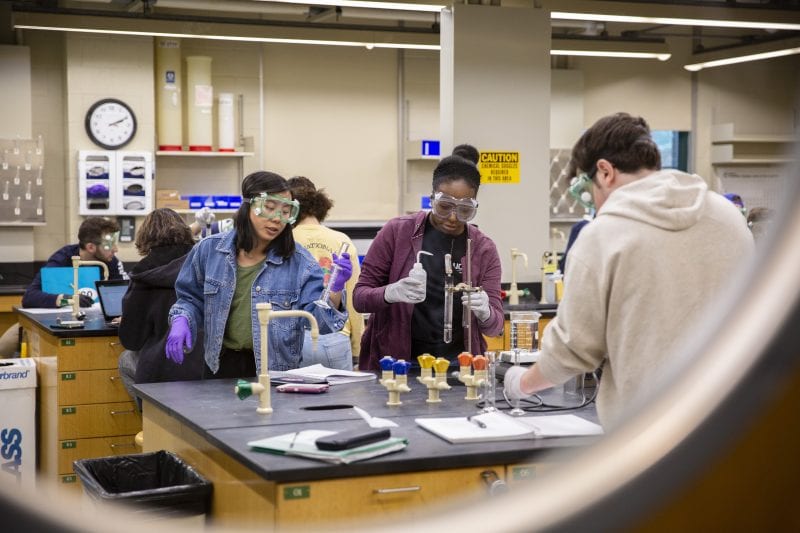
This Courses is designed to foster interest, confidence, and achievement in chemistry, particularly among students from underserved schools. By providing an inclusive, hands-on environment, the program bridges the gap between high school and college-level STEM experiences, exposing students to advanced concepts in chemistry, guided laboratory experiments, and problem-solving exercises beyond standard curricula. The course will focus on mentorship and learning through experience. Students will take part in workshops, lab activities, and discussions that help them better understand advanced chemistry topics and gain hands-on experience. Instructors will work closely with small groups of students, encouraging their interest and persistence in science careers.

Sessions Offered

Session 1:

June 20, 2027 - June 26- 2027


Format

Residential

Credit Bearing

This class is meant to be immersive and students will:

1. Engage in hands-on chemistry experiments

2. Strengthen core chemistry knowledge and skills to engage with rigorous laboratory work.

3. Develop experimental design and data analysis skills.

4.  Increase students' interest and self-efficacy in pursuing advanced STEM studies and careers in STEM.

5.  Leave with mentors at UConn that will support your continued interest in the field of Chemistry.

Related Careers:

  • Analytical & Research Chemist
  • Chemical Engineer
  • Laboratory Technician
  • Quality Management Assistant

UConn Pre-College Summer: Allied Health Medical Terminology

UConn Pre-College Summer: Allied Health Medical Terminology

UConn Pre-College Summer: Allied Health Medical Terminology

Meet the Professor


Fatma Selampinar, PhD

Professor in Residence, UConn Department of Chemistry

Dr. Fatma Selampinar is a Professor in Residence in the Department of Chemistry at the University of Connecticut, where she has taught since 2003. She also serves as the Early College Experience (ECE) Chemistry Coordinator. With over two decades of experience in chemical education and mentoring, Dr. Selampinar is deeply committed to making chemistry accessible, engaging, and equitable for all learners.
Dr. Selampinar earned her B.S. in Chemical Education and her M.S. and Ph.D. degrees in Chemistry from the Middle East Technical University in Turkey, specializing in polymer and physical chemistry. She came to the University of Florida with a fellowship from TÜBİTAK during her Ph.D. studies. She conducted her postdoctoral research at the University of Florida, studying electroactive polymers and their applications in controlled drug and biomolecule release.
At UConn, Dr. Selampinar also leads a range of outreach activities that allow high school students to experience college life and foster meaningful relationships between university faculty and high school teachers.
Dr. Selampinar is actively involved in expanding access to quantum science education. She co-organizes Molecular Quantum Days (MolQ Days)—an innovative outreach initiative supported by NASA’s Connecticut Space Grant Consortium—where high school students from across Connecticut visit UConn to explore quantum chemistry through lectures, demonstrations, and hands-on experiments. She also collaborates with faculty across departments to develop teacher workshops and learning modules that integrate quantum topics into the high school chemistry curriculum.

Dr. Fatma Selampinar

Pre-Med: Explore the Medical Field

Is Medicine for you?

This course takes place at UConn Health- Farmington. Students reside at UConn Storrs.

Medicine is a long-term commitment that requires many years of training. Given this, many students find it difficult to decide whether medicine is the right career path for them. Through this one-week long program, students will gain insight into what it is like to be a physician. Students will have an opportunity to engage directly with physicians who are passionate about their work. Simultaneously, students will get to explore the state of the art UConn Health Center which is entering an era of unprecedented growth in all three areas of its mission: academics, research, and clinical care.

In addition, students will have an opportunity to gain guidance from UConn's Pre-Med academic advising staff. Moreover, students will be provided supervised transportation from the UConn Storrs campus to the UConn Health Center in Farmington. Students will return to the Storrs campus at the end of each academic day.

UConn Pre-College Summer: Pre-Med Explore the Medical Field

Sessions Offered

Sessions 1 OR 2

June 20, 2027 - June 26, 2027

June 27, 2027 - July 3, 2027

Format

Residential

Non-Credit

This class is meant to be immersive and students will experience:

  • Throughout the week, students will delve into the following aspects of medicine:
  • Practice of basic skills
  • Exploration of common examinations
  • Brief overview of selected topics in cardiology and gastroenterology
  • Demonstration of a mock “code”

UConn Pre-College Summer: Pre-Med Explore the Medical Field

UConn Pre-College Summer: Pre-Med Explore the Medical Field

UConn Pre-College Summer: Pre-Med Explore the Medical Field

This course includes daily lab and hospital visits @ UConn Health.


Meet the Professors


The UConn Pre-College Summer Pre-Med: Explore the Medical Field course will be taught by various doctors, professionals, and consultants from UConn Health. UConn Health is a vibrant, integrated academic medical center that is entering an era of unprecedented growth in all three areas of its mission: academics, research, and clinical care. A commitment to human health and well-being has been of utmost importance to UConn Health since the founding of the University of Connecticut Schools of Medicine and Dental Medicine in 1961. Based on a strong foundation of groundbreaking research, first-rate education, and quality clinical care, we have expanded our medical missions over the decades. In just over 50 years, UConn Health has evolved to encompass more research endeavors, to provide more ways to access our superior care, and to innovate both practical medicine and our methods of educating the practitioners of tomorrow.


UConn Pre-College Summer: Pre-Med Explore the Medical Field Shobhana Pathani

Shobhana Pathani, M.D

Assistant Professor, Department of Medicine

Lead Physician

Dr. Shobhana Pathani is a hospitalist physician at the University of Connecticut School of Medicine. She completed her training in Internal Medicine at the University of Massachusetts. She has a deep passion for teaching as well as mentoring residents and medical students which she explores through her work as a faculty member at the University of Connecticut. In addition, she plays an active role in the success of an annual university summer program centered around providing high school students with exposure to a career in medicine.

Agnest S. Kim, M.D., Ph. D.


Agnest S. Kim, M.D., Ph. D.

Associate Professor of Medicine
Director, Non-invasive Cardiac Imaging and Echocardiography Lab
Director, Cardio-Oncology Program

Dr. Kim provides care to patients with a wide range of cardiovascular illnesses, including coronary artery disease, valvular heart disease, and cardiomyopathy. She has expertise in advanced non-invasive cardiac imaging, including echocardiography, nuclear cardiology, cardiac MRI, and vascular ultrasounds. She has a particular interest in the cardiac care of cancer patients.

Dr. Kim received her bachelor’s degree at Yale College. She received her medical degree from Vanderbilt University. She completed her internship and residency in internal medicine at Yale-New Haven Hospital. After residency, she completed a fellowship in cardiovascular diseases at Yale-New Haven Hospital, during which she also obtained a Ph.D. in investigative medicine.

Debapriya Datta, M.D., FCCP

Debapriya Datta, MD, FCCP

Professor of Medicine
Director, Critical Care Clerkship, UConn SOM

Associate Program Director, UConn Pulmonary-Critical Care Fellowship Program
Director, PFT laboratory, CPET Program & PERT Program, UConn Health

Dr Datta is a pulmonary, sleep medicine and critical care medicine physician at UConn Health. She has completed her medical training including residency and fellowship at UConn Health Center. She treats patients with a wide variety of pulmonary disorders as well as patients with critical illnesses admitted to the ICU. Her clinical interests include dyspnea evaluation, exercise physiology, pulmonary embolism and ventilator weaning and ICU outcomes.

She is actively involved in teaching medical students at the University of Connecticut School of Medicine during their clinical rotations in the ICU, hospital floors, and outpatient clinics. She also works closely with trainees- medicine residents and pulmonary–critical care medicine fellows. She is passionate about medical education and has won several teaching awards. She is also involved in medical outcome research and has numerous publications in peer-reviewed journals and presentations at national and international scientific meetings to her credit.

George Y. Wu, M.D., Ph.D.


George Y. Wu, M.D., Ph.D.

Emeritus Professor of Medicine, Chief of the Hepatology Section, Herman Lopata Chair in Hepatitis Research

University of Connecticut Health Center

He graduated with a B.S. in chemistry from the University of Rochester, and received an M.D. and Ph.D. (biochemistry) from the Albert Einstein College of Medicine. He trained in internal medicine at Harlem Hospital, Columbia College of Physicians and Surgeons, and received subspecialty training in digestive diseases at the Albert Einstein College of Medicine. He has been a pioneer in the field of targeted delivery of biological substances specifically to liver cells, hepatocytes. He developed the concept of targeted rescue, targeted gene delivery, an immunocompetent model for HCV infection, and most recently targeted delivery of mitochondria. He has received numerous awards and prizes including the American Liver Foundation Post-Doctoral Fellowship Award, and an American Gastroenterological Association/Industry Research Scholar Award, American Liver Foundation Research Prize, American Gastroenterological Association-Gastroenterology Research Group Young Scientist Award, and a Chinese American Medical Society Scientific Award, was elected a Fellow of the American Gastroenterological Association, and the American Association for the Study of liver Diseases. He was elected to the American Society for Clinical Investigation, and the Association of American Physicians, and was a Fulbright Specialist. He has received 10 patents, and founded two startup companies to commercialize inventions. He has published more than 210 peer-reviewed articles, and edited 12 books. He is the comprehensive editor-in-chief of the Journal of Clinical and Translational Hepatology, and series editor for the Clinical Gastroenterology series published by Humana/Springer Press.

Jennifer P. Kanaan, M.D.

Jennifer P. Kanaan, M.D.
Associate Professor of Medicine
Director of critical care point of care ultrasound

Site Director, Pulmonary/Critical Care Fellowship

Dr. Kanaan received her bachelor's degree in biology at Bucknell University in Lewisburg, PA. She returned to her home state to attend UConn medical school. She completed her residency in internal medicine at the Rhode Island Hospital, Brown School of Medicine. Following a year at locum tenens where she worked in Alaska, California, and Arizona, she completed a pulmonary and critical care fellowship at New England Medical Center, Tufts School of Medicine. After graduation, she worked as an attending physician at Danbury Hospital and transitioned to UConn in 2007.

As an Associate Professor in Medicine, Dr. Kanaan divides her time between clinical care and teaching. She is passionate about bringing ultrasound to the bedside and has developed an ultrasound curriculum for pulmonary and critical care fellows as well as hospitalists. She directs a statewide ultrasound course for physicians.

Outside of medicine, she is a mom of four children. Her hobbies include cooking, travel, and sports.

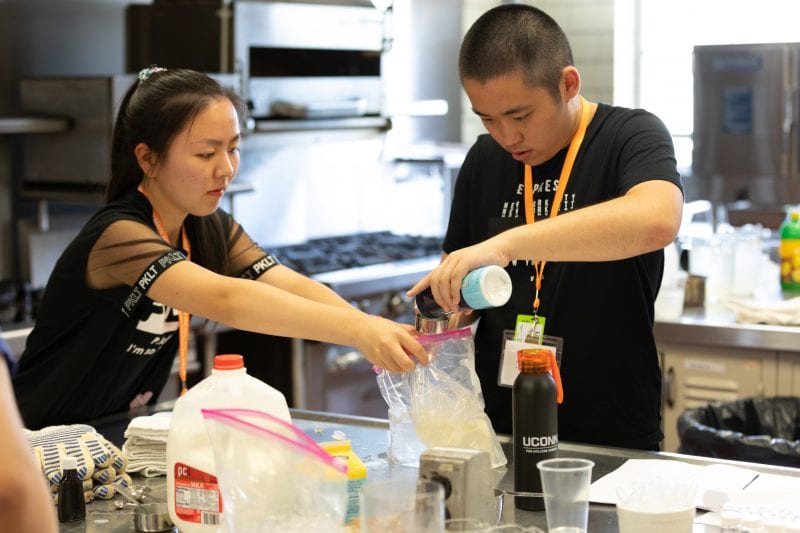
Nutrition: Food Science and Technology

Explore the Science of Food

Understanding the science and technology behind food products helps us to make healthy food choices. Not only does this translate to our everyday lives, but it can also pave the way to an interesting career path that combines science, nutrition, healthy safety and best of all, food. The field of food science and technology includes food microbiology and safety, food quality assurance, food engineering and technology, food chemistry, product and formulation development, food packaging, sensory evaluation, food marketing, and food regulations.

This course is composed of in-class lectures and hands-on laboratory experiments to help students turn their knowledge of the principles of food science into practices as a food scientist. Upon completion of this course, students will be able to make healthy food choices by understanding scientific principles behind food preparation and processing.

UConn PCS: Food Science

Sessions Offered

Session 1:

June 20, 2027 - July 3, 2027

Format

Residential

Non-Credit

This class is meant to be immersive and students will experience:

  • Basic terminologies and concepts of food production
  • Modern technologies used in the food industry
  • Key practices to assure the quality, safety, and palatability of raw and cooked foods
  • General facts and relevant food regulations that consumers should be aware of
  • Career opportunities in the field of food and nutrition

Related Careers:

  • Product Development & Formulation
  • Food Safety & Microbiologist
  • Food Process Engineer

UConn PCS: Food Science

UConn PCS: Food Science

UConn PCS: Food Science

Meet the Professor


Yangchao Luo, Ph.D

Associate Professor, UConn Department of Nutritional Sciences

Yangchao Luo, Ph.D., is an Associate Professor of Food Science in the Department of Nutritional Sciences. He studies food chemistry and engineering to ensure the safety and quality of products, as well as innovative food processing technologies to manufacture novel food products. Dr. Luo was recently recognized by Web of Science as one of the World's Most Highly Cited Researchers for 2021 - 2024 in the field of Agricultural Sciences. He is currently serving as the Editor-in-Chief for the Journal of Agriculture and Food Research.

Check out this webpage to know more about Prof. Luo: Home | Luo Research Group

UConn Pre-College Summer: Yangchao Luo Food Science Faculty

Business Information Systems: Navigating the Future of Technology

Explore emerging technology, experiment with AI, and build the skills to navigate the future of school, work, and life.

Technology is changing faster than ever—but which technologies will actually shape your future, and how can you prepare for what comes next?

Navigating the Future of Technology is a hands-on course that gives high school students the opportunity to explore artificial intelligence, emerging technologies, and the changing future of work. Students will investigate how new technologies move from exciting ideas to tools that transform organizations, careers, and everyday life.

Throughout the week, students will explore concepts such as information systems, emerging technology, artificial intelligence, generative AI, automation, and human-AI collaboration. They will experiment with generative AI, learn how to communicate effectively with AI systems, evaluate AI-generated information, and consider when human creativity, judgment, and decision-making are still essential. Students will also examine technologies beyond AI through hands-on activities involving areas such as robotics, virtual and augmented reality, sensors, IoT, and 3D design and printing.

Rather than simply hearing about the future, students will experience it. Through interactive challenges, technology demonstrations, team activities, and hands-on experimentation, students will evaluate emerging technologies and consider how they could change industries, careers, and society. The course culminates in a collaborative challenge where students apply what they have learned to imagine and communicate a technology-enabled solution for the future.

No prior technology or programming experience is required—just curiosity about technology and what the future might look like.


Sessions Offered

Session 1:

June 20, 2027 - June 26, 2027

Format

Residential

Non-Credit

This class is meant to be immersive and students will:

  • Leave with more than exposure to the latest technologies—they will have a framework for understanding and evaluating technologies they encounter in the future.
  • Be able to explain how people, processes, data, and technology work together; evaluate emerging technologies based on their potential benefits, limitations, and risks; and recognize how technological change can automate, augment, or transform human work. They will gain practical experience using generative AI, including writing and refining prompts, evaluating AI-generated information, recognizing limitations, and determining when human judgment is necessary.
  • Will strengthen skills that are valuable in both college and the workplace, including critical thinking, problem-solving, communication, collaboration, creativity, technology fluency, and adaptability. Through hands-on activities and a culminating team challenge, students will practice turning ideas into solutions and communicating those ideas to others.

    These experiences provide a foundation for further study in business, information systems, computer science, data analytics, artificial intelligence, engineering, and other technology-related fields. Just as importantly, students will leave better prepared to discuss how technology is changing their areas of interest and demonstrate that they can thoughtfully and responsibly use emerging technologies rather than simply consume them.

Related Careers:

  • Management Information Systems (MIS) Analyst
  • Logistics / Supply Chain Analyst:
  • Business Intelligence (BI) Analyst:
  • Operations Manager / Director of Operations:

Meet the Professor


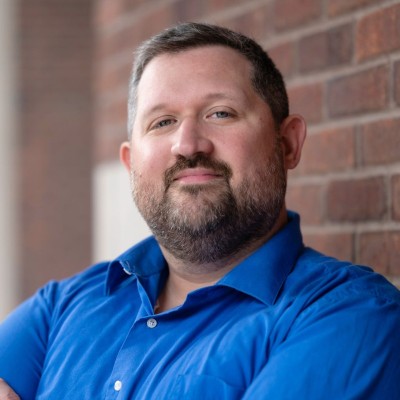
Jonathan Moore

Instructor In-Residence, Executive Director of CT Information Technology Institute

Jonathan Moore is an Instructor-in-Residence in the Operations and Information Management Department at the University of Connecticut School of Business. He is also the Executive Director of UConn’s Digital Frontiers Initiative and leads Innovate Labs, experiential learning spaces where students explore and gain hands-on experience with emerging technologies.

Jonathan has taught a wide range of undergraduate and graduate courses related to technology and business, including Navigating the Future of Technology, Digital Technology Studio, Database Design and Management, Business Data Analytics, Business Information Systems, Systems Analysis and Design, and courses focused on emerging technologies. His teaching emphasizes experiential learning, practical applications of technology, and helping students understand how technology is changing organizations and the workplace.

Beyond the classroom, Jonathan develops and leads educational programs focused on emerging technology, artificial intelligence, and technology fluency. Through Innovate Labs, he creates opportunities for students to explore technologies such as AI, virtual and augmented reality, robotics, IoT, sensors, and 3D technologies.

Across his teaching and program leadership, Jonathan focuses on helping students build the technology fluency, critical thinking, problem-solving, and adaptability needed to navigate a rapidly changing technological world.

Underwater Robotics – Manufacturing & Engineering

Build It. Dive It. Race It. A Hands-On Underwater Robotics Experience at UConn

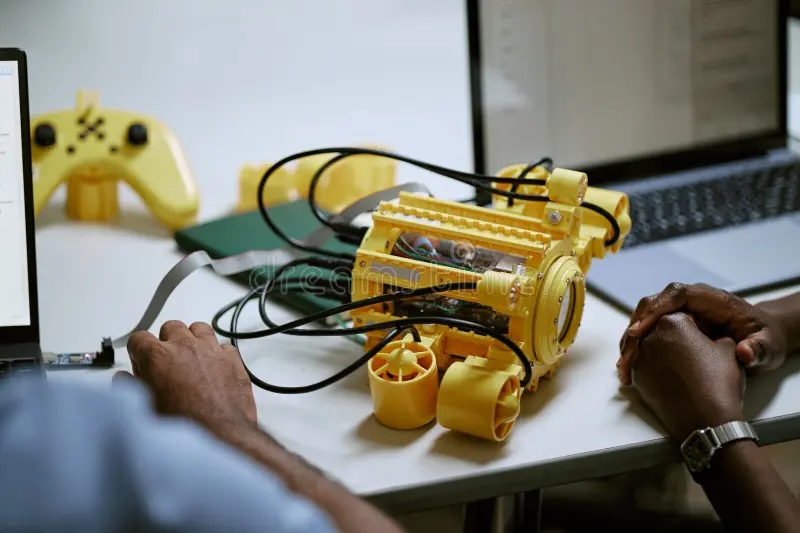
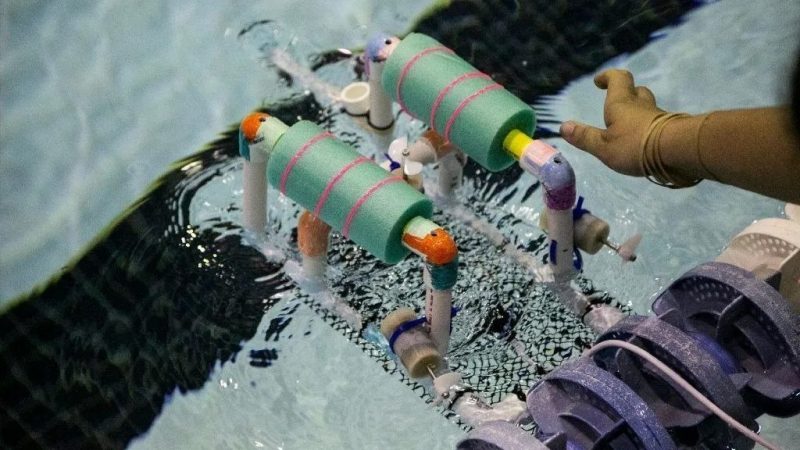
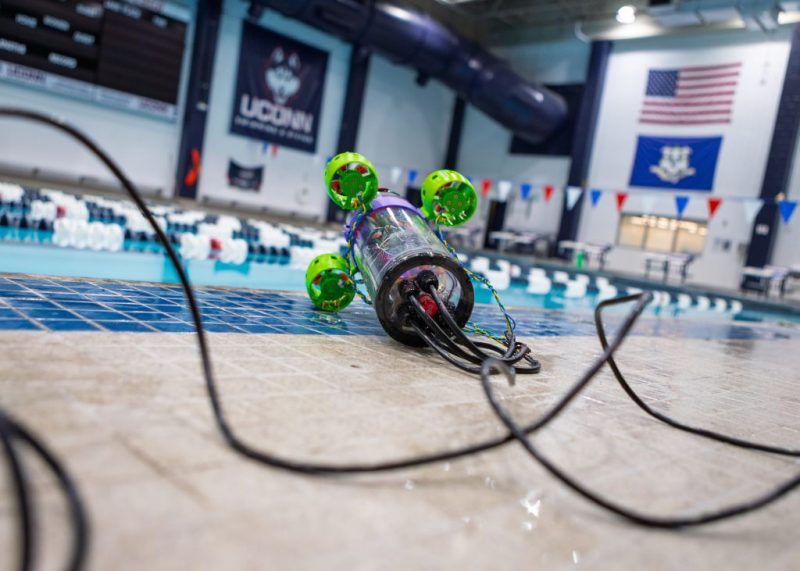
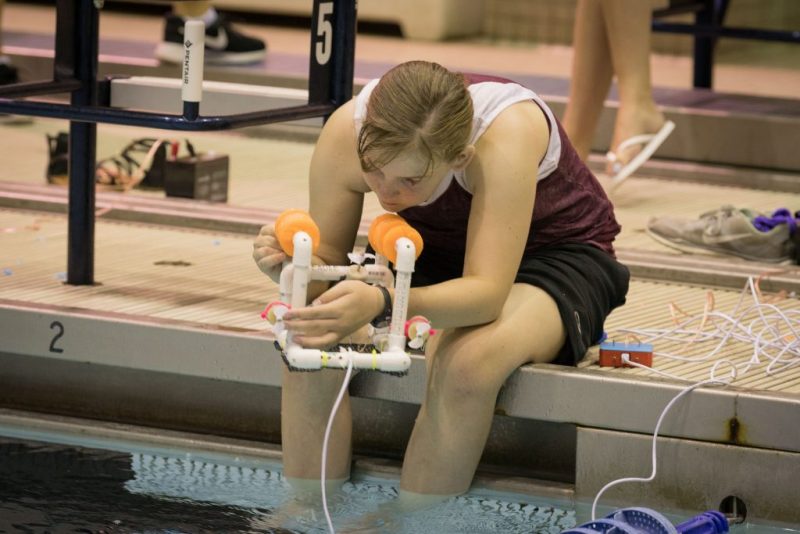
How do you build a vehicle that can dive, steer, and surface on command, hundreds of feet below the ocean’s surface? And how do you manufacture it so every part fits, seals, and performs? In this hands-on course, students explore those questions by designing, fabricating, and racing their own underwater robot. The main objective is to introduce students to both the engineering and the manufacturing behind undersea vehicles, from small robotic drones to the submarines built right here in Connecticut. Working in teams, students take a robot from concept through fabrication and assembly, test and refine it in the water, and compete in a final underwater race. Along the way, they learn how submarines are designed and built, visit facilities where undersea technology is developed, and work alongside UConn undergraduate and graduate students who are pursuing engineering careers themselves.

  • Design it, build it, race it: Every team designs, fabricates, and assembles its own robot, then competes in a final underwater race.
  • From design to manufacturing: Students experience the full path from idea to finished product, learning not just how to design a vehicle but how to build it reliably.
  • Real submarine connection: Students learn how submarines are designed and manufactured, grounded in Connecticut’s role as a national center of submarine construction.
  • Field trips: Students visit sites to see undersea technology, and the people and processes behind it, up close.
  • Near-peer mentoring: Students work directly with UConn undergraduate and graduate students, getting an honest look at what studying engineering in college is like.
  • Career pathways: Students see the wide range of careers in naval engineering, ocean engineering, and advanced manufacturing, and the skills that lead to them.
  • No experience required: The course is designed for curious students of any background; everything needed is taught along the way.

Sessions Offered

Session 1:

June 20, 2027- June 26, 2027

Format

Residential

Non-Credit

This class is meant to be immersive and students will experience:

  • Build your own robot from scratch: Students design, fabricate, and assemble a working underwater robot with their own hands.
  • Test it in the water: Teams put their robots in the pool, see what works, and improve their designs through real trial and error.
  • Race to finish: The course ends with an underwater race where teams compete with the robots they built.
  • Learn from the people who do it: Students work side by side with UConn undergraduate and graduate students and see undersea technology up close on field trips.

Related Careers:

  • Underwater Sensors Engineer
  • Subsea Robotics Engineer
  • Autonomous Underwater Vehicle Operator

Meet the Professor


Dr. Alexandra (Lexi) Hain, Ph.D., P.E.
Assistant Professor of Structural Engineering, UConn School of Civil & Environmental Engineering

Dr. Alexandra (Lexi) Hain, Ph.D., P.E., is an Assistant Professor of Structural Engineering in the School of Civil and Environmental Engineering at the University of Connecticut and Director of the UConn Navy STEM Program. As Director, Dr. Hain leads this long-running, funded program that connects students with careers in naval engineering and Connecticut’s submarine industry.

This course is co-taught by the UConn Navy STEM team, led by Kevin Logue, K-12 Special Projects Lead. Kevin and fellow team members bring extensive experience designing and running hands-on STEM programs for K-12 students. UConn undergraduate and graduate students also serve as mentors throughout the course.

Learn more about UConn Navy STEM: https://navy-stem.uconn.edu/

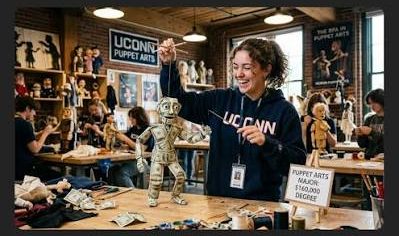
The Art of Puppetry in Public Speaking

Object Theater & Visual Pitching

Captivate any audience by bringing your ideas to life. This immersive, performance-based course is designed for students who want to master public speaking, storytelling, and high-impact pitching through a unique twist: the art of puppetry and object theater. If standard presentations make you nervous, or if you want to learn how to command a room using more than just a slideshow, this course will transform how you communicate.
Instead of hiding behind a podium, you will learn to use physical objects, custom-engineered props, and puppetry techniques to anchor your message and engage your audience. You will explore how to project your voice, control your physical presence, and use your hands to manipulate objects to tell a compelling story. Whether you are pitching an invention, delivering a technical lecture, or telling a personal story, you will learn how to turn any everyday item into a powerful visual tool that makes your message unforgettable.
By the end of this course, you will overcome public speaking anxiety, master dynamic stage presence, and know exactly how to craft a high-energy presentation that keeps an audience hooked from start to finish.


Sessions Offered

Session 1:

June 20, 2027 - June 26, 2027

Format

Residential

Non-Credit

This class is meant to be immersive and students will experience:

  • Learn important public speaking skills through storytelling and performance
  • Develop object, engineered props and puppets to anchor your message
  • Explore voice control and commanding an audience with your physical presence
  • Learn how to craft a high-energy presentation that keeps your audience hooked from start to finish!

Related Careers:

  • Applied Puppetry Practitioners
  • Brand Storytellers
  • Creative Director
  • Keynote Speakers and Pitch Coaches

Meet the Professor


Paul Spirito, MFA

UConn Krenicki Arts & Engineering Institute 

Pre-Vet: Marine Animal Health and Veterinary Science

Immerse yourself in the marine world and explore your passions for veterinary science, animal care, animal training and research.

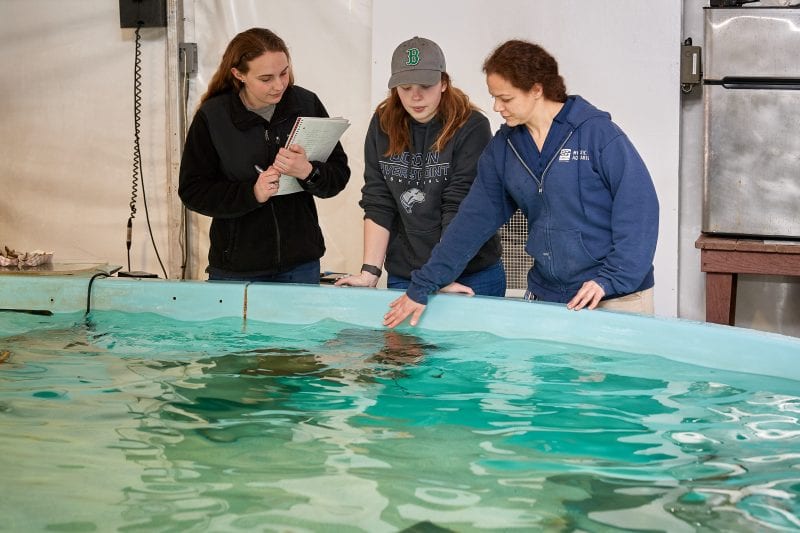
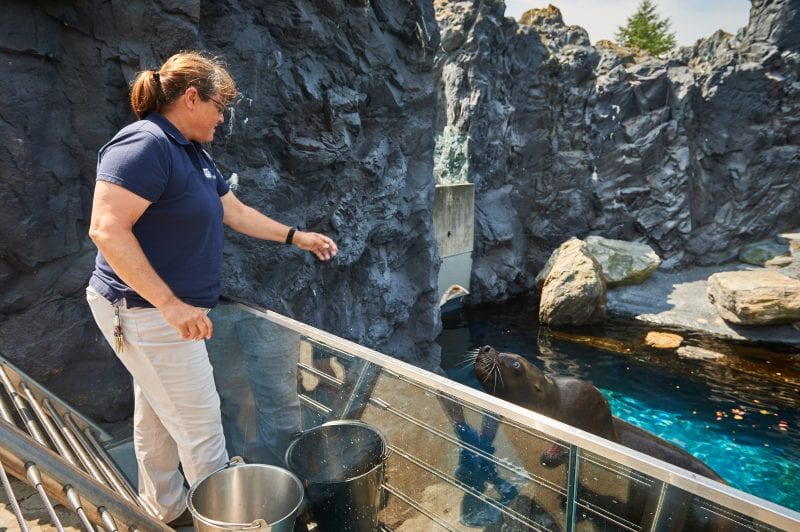
The Pre-Vet: Marine Animal Health and Veterinary Science course will be hosted at Mystic Aquarium in Mystic, CT where students will have the opportunity to immerse themselves in the marine world. Throughout this course students will be interacting with aquarium research scientists, veterinarians, animal trainers and animal rescue professionals to understand the science behind their work. Students will gain knowledge and experience through labs and activities focused on animals at Mystic Aquarium including penguins, seals, reptiles, whales and fishes.

Through this course students will participate in labs, tours and activities that will increase their scientific literacy in genetics, hematology, microbiology, anatomy and physiology. Students will learn about careers and education/career pathways directly from working professionals to understand if animal health and veterinary science is a desirable education and career path. Journal discussions will develop students’ skills in reading and analysis of primary scientific literature.

The course involves off-site visits to Mystic Aquarium and the UConn, Avery Point Campus. Supervised transportation is provided by the program and is included in the course cost and fees. Parents/guardians and students will be required to submit Mystic Aquarium participation forms prior to attending this course.

Sessions Offered

Session 1:

June 20, 2027 - June 26, 2027

Format

Residential

Non-Credit

Related Courses

Marine Biology

This class is meant to be immersive and students will experience:

  • Learn about a wide variety of careers in animal health and veterinary science, from professionals in all stages of their careers.
  • Participate in lab programs focused on hematology, microbiology, molecular biology, anatomy and physiology, and learn how each is utilized to analyze an animal’s health.
  • Observe feeding and training sessions with beluga whales, penguins and sea lions, and have the opportunity to learn from and ask questions of their animal care teams.
    • Please note: students will not have direct encounters with marine mammals.
  • Visit behind-the-scenes areas to view animal care, research and veterinary staff at work. This will include a visit to the animal rescue clinic to understand the veterinary care of both animals at the aquarium temporarily for rehabilitation as well as animals permanently in our care.
  • Explore current topics in marine mammal research during journal article discussions.

Related Careers:

  • Marine Animal Veterinarian
  • Aquarium Veterinarian
  • Wildlife Rehabilitatior
  • Conservation Biologist

UConn PCS: Pre-Vet

UConn PCS: Pre-Vet

UConn PCS: Pre-Vet

This course will include labs @ Mystic Aquarium & UConn Avery Point


Meet the Professor


Dr. Laura Thompson, Ph.D.

Mystic Aquarium Research Scientist

University of Connecticut Assistant Professor in Residence of Marine Sciences

https://marinesciences.uconn.edu/person/laura-thompson/

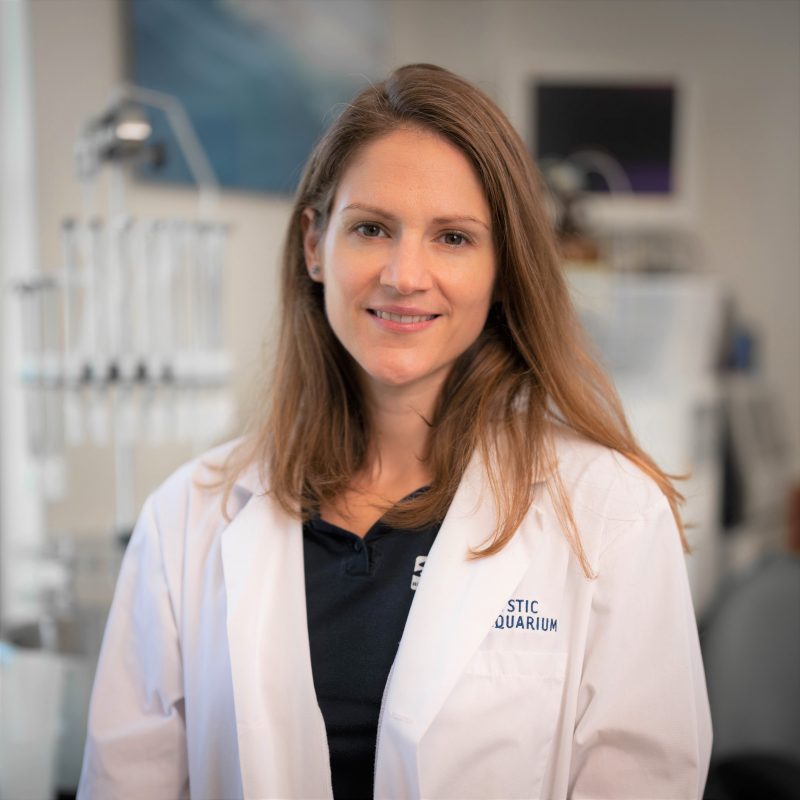
Dr. Thompson is a research scientist at Mystic Aquarium where she has held multiple positions since 2005. Her time at Mystic includes carrying out her PhD studies on dive physiology in Marine Mammals, as a joint student with the University of Connecticut Marine Sciences Program. Dr. Thompson is involved in many aspects of research at the Aquarium including the development of non-invasive sampling techniques and investigating the response of the immune system to environmental and anthropogenic challenges. Her unique area of interest lies in understanding the complicated relationship between diving and health, via adaptation of the immune system in marine mammals as compared with humans. Dr. Thompson holds a BSc with Honours in Marine and Freshwater Biology from Queen Mary College, University of London and a PhD in Oceanography from the University of Connecticut. She is also an Assistant Professor-in-Residence at UConn, and lectures for Marine Biology courses offered at UConn and URI.

UConn PRe-College Summer: Laura Thompson Pre-Vet Faculty