Archives

Messy Endings: Writing, Film, & Creativity

Learn to write with voice, choice, and creativity!

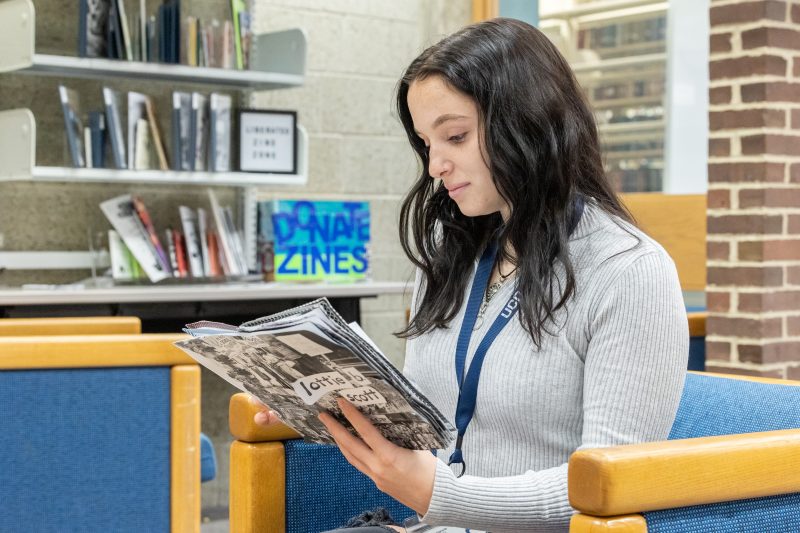
Students (and educators) too often regard the essay as merely an instrument of assessing learning, but the essay has a rich history as a creative genre. In this course we will approach the essay as the creative, dynamic, imaginative literary form that it actually is. Your approach to writing essays will not be the same and you'll never go back to the five paragraph essay again! We will look at examples of the essay, use film for inspiration, and play with other means of creativity.

You will leave this course with a very different and improved understanding of the essay, and you will be better writers. The essays you write in the future may challenge some of your teachers’ more conventional expectations, but they will be better, more interesting, and more like the real writing professional essayists actually create. Your professors in college will be grateful.
Sessions Offered

Storrs Session 3:

July 12, 2026 - July 18, 2026

Format

Non-Credit

This class is meant to be immersive and students will:

  • Become better writers, more independent, more creative, and more original.
  • Choose topics of interest, explore genres of writing, develop their own voice, and write!
  • Learn a little bit about the history of the essay as a literary genre.
  • Read a variety of essays form a variety of essayists.
  • Experiment with writing different kinds of essays, such as personal essays, op-eds, commentaries, and rants.
  • Use film to inspire analysis and writing.
  • Share writing with one another both for revision and entertainment.
  • Play around with some multimodal forms of composition.
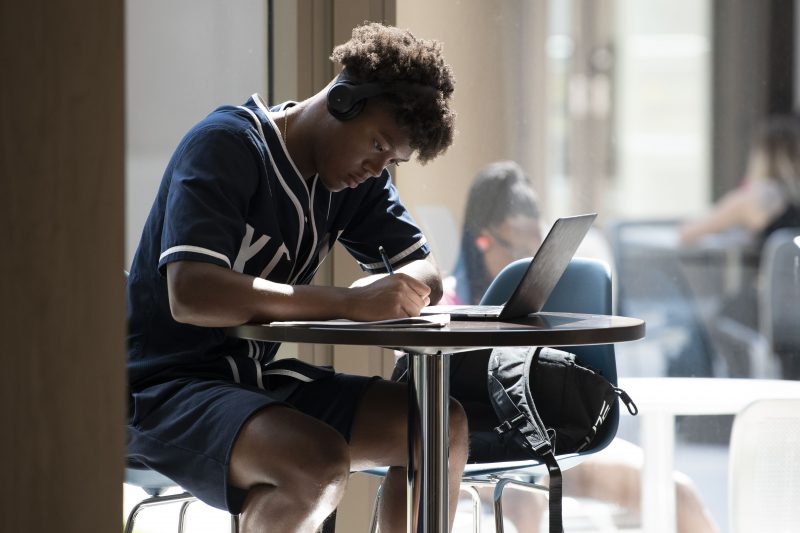
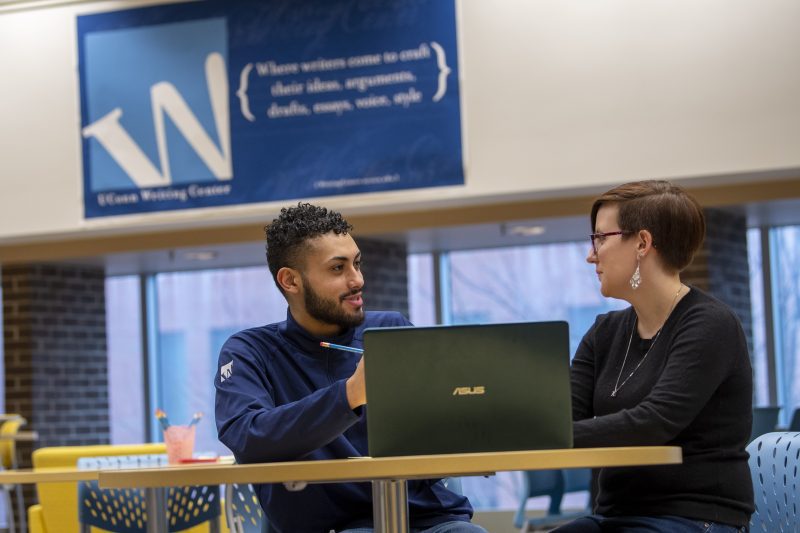
Image of students

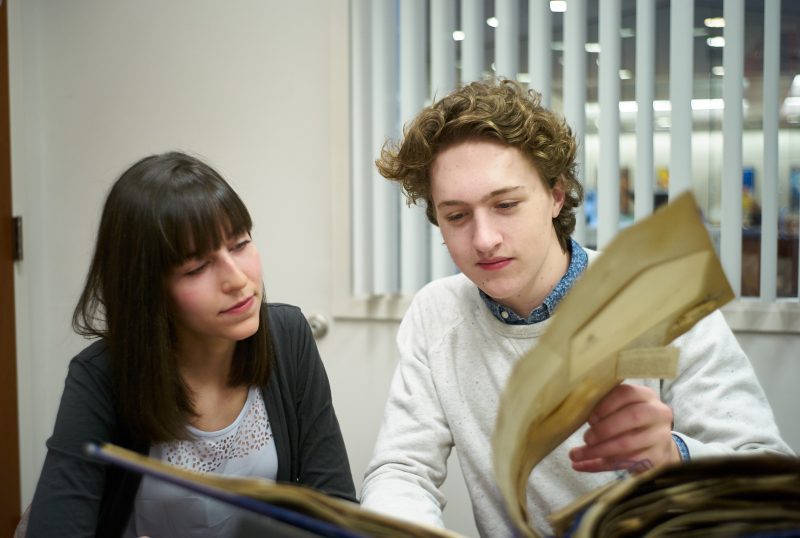
Image of student

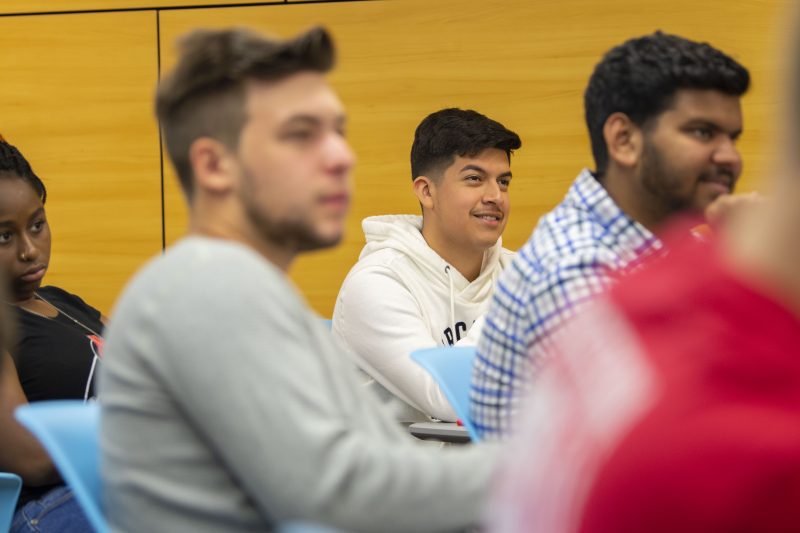
Image of students

Meet the Professors


Amy Nocton
Adjunct Faculty, UConn Department of English
Instructor, UConn Early College Experience

Amy Nocton is an Early College Experience (ECE) Spanish instructor at EO Smith High School and has been teaching English composition as an Adjunct Faculty member for ten years for the University of Connecticut, Storrs campus. She is a film aficcionado and a published poet. Amy has long incorportated film into her ECE courses and her English classes at UConn as another means of exploring text and creativity. Amy's late husband, the former Director of the Connecticut Writing Project, used to run this course, so she learned from the best mentor possible and will do her best to make the course what he would have wanted it to be.
Human Rights: Close to Home

Take action for human rights in our Connecticut communities and beyond

Prerequisites: Eligible for students that are accepted and have committed to the HRCH program

Human Rights Close to Home (HRCH) offers high school student fellows leadership development through a one-year, stipend-supported program. Student fellows learn and share human rights knowledge and civic engagement skills in order to plan and implement civic actions in their own communities. Students from across the state of Connecticut are welcome to apply.

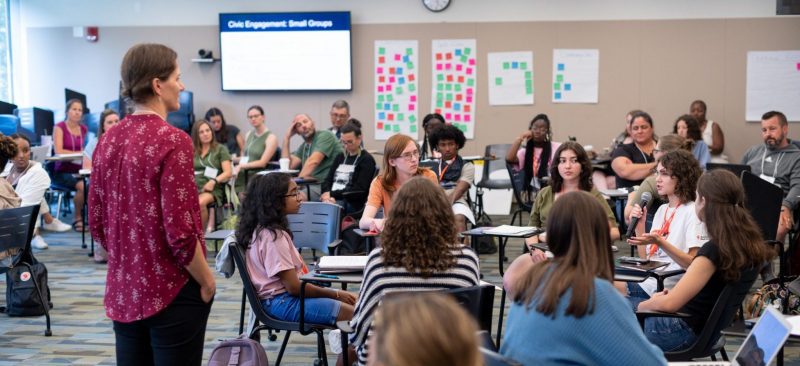
Up to twenty Connecticut high school student fellows will participate in a one-week residential leadership institute focused on human rights and civic engagement. You will explore human rights issues, considering how they relate to your own lives, and develop knowledge and skills to contribute to civic action projects in your home communities. K-12 teachers from across Connecticut will learn about human rights and civic engagement alongside you throughout the week. You will learn from HRCH staff as well as human rights faculty and staff, community based organizations, and youth activists.

After the summer institute, working in teams or individually during the school year, you will engage in a human rights-based civic action project. Receiving close guidance and supervision from HRCH staff, college student mentors (undergraduate or graduate students), and community mentors, you will learn about local human rights issues, gain practical experience, and develop valuable skills you can apply to future human rights and civic engagement work. You will return to UConn 2-4 times throughout the year to meet with the other student fellows and work on your civic action projects.

HRCH is working in close partnership with UConn Pre-College Summer (PCS). PCS will support Connecticut high school students during the HRCH Summer Institute on the UConn Storrs Campus,

Human Rights Close to Home offers high school student fellows leadership development through a one-year, stipend-supported program. Student fellows learn and share human rights knowledge and civic engagement skills in order to plan and implement civic actions in their own communities. Students from across the state of Connecticut are welcome to apply. Applications for the 2026-2027 HRCH student fellowship are due March 1, 2026. Only after accepting and committing to the HRCH program, may those eligible students enroll in this PCS course. For questions regarding the the HRCH program please see contact information here.
Sessions Offered

Storrs Session 2:

July 5, 2026 – July 11, 2026

Format

Non-Credit

Related Courses

See Courses here

This class is meant to be immersive and students will experience:

  • About human rights and human rights violations
  • How to take action to promote human rights
  • Practice taking action for human rights with support from HRCH staff as well as other HRCH participants
  • Meet with community based organizations, youth activists, UConn faculty, and government leaders
  • Visit a human rights site off campus
  • Join a growing community of human rights and civic action leaders in Connecticut

Meet the Professor


Santa Sirota, Ed.D.

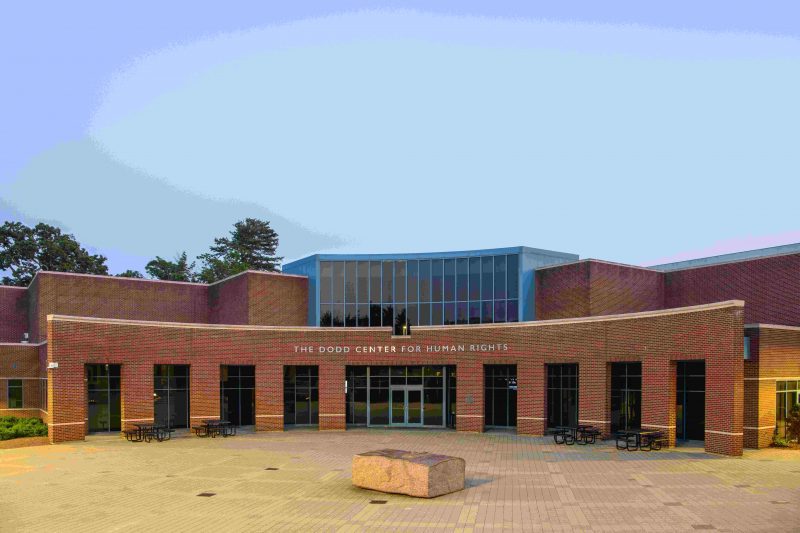
Director of Human Rights Close to Home, UConn's Dodd Center for Human Rights

Assistant Professor in Residence, UConn Human Rights Institute 

Sandra Sirota, EdD, is Director of Human Rights Close to Home at UConn's Dodd Center for Human Rights and Assistant Professor in Residence in human rights and experiential global learning with the Human Rights Institute. Her work explores human rights and social justice education in formal and non-formal settings in the United States and South Africa. Her current research, funded by the Human Rights Institute, focuses on how youth-led social movements may disrupt systemic racism in education. She is conducting a new research project in conjunction with Human Rights Close to Home. Sandra’s recent articles have been published in Open Global Rights, Comparative Education Review, The Journal of Human Rights, and Prospects. She serves as Book Review Co-Editor for The Journal of Human Rights and Faculty Coordinator for UConn’s Early College Experience in Human Rights.

Sandra has collaborated and consulted with the Office of the United Nations High Commissioner for Human Rights, and other human rights and education organizations. She is co-chair of the executive committee of the University and College Consortium for Human Rights Education. She earned her doctoral degree from Columbia University Teachers College’s Department of International and Transcultural Studies with a concentration in peace and human rights education. She completed her master’s degree in international human rights at the University of Denver Korbel School of International Studies and her bachelor’s degree in anthropology at Cornell University.

Multimedia Journalism

Learn how to report news stories with words, photos, graphics, audio, video and social media

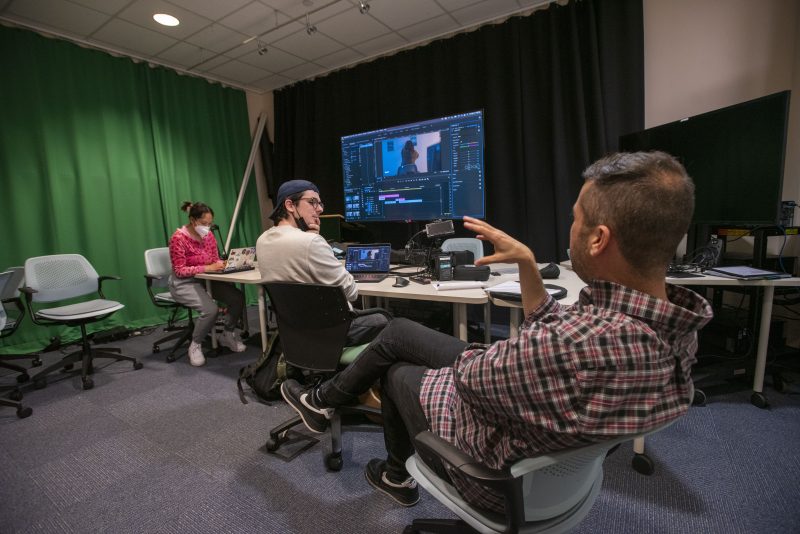
Multimedia Journalism will introduce students to news reporting, interviewing and storytelling skills for print, broadcast and digital news outlets. Students will learn how to interview people, uncover news, separate fact from fiction, and engage a digital audience in a rapidly changing online environment. Veteran journalists who are experts in the fields of reporting, writing, audio, visuals, and audience engagement will lead students in training workshops to help them develop effective writing, research, and photography skills, and expose them to best practices for data visualizations and social media. Students also will visit a television news station to get a behind-the-scenes look into a daily newscast and meet UConn Journalism alumni working in the field. It will be an exciting introduction to nonfiction storytelling and the chance to learn techniques useful not only in the journalism field, but are must-haves in public relations, marketing and communications.

Students from diverse economic and racial backgrounds will learn about current events, the role of the news media, news judgement and journalism ethics. They will be introduced to nonfiction storytelling and give tools to sharpen their writing, research, and critical-thinking skills. Effective writing is the foundation of communication, and this course will help students communicate more effectively and clearly in their written work in the classroom and/or workplace. Journalism skills are necessary not only for reporters and editors but for those seeking to go into communications, public relations and marketing fields. Students will also gain experience using multimedia tools to gather and report news for publication on various platforms.

UConn Pre-College Summer: Multimedia Journalism

Sessions Offered

Storrs Session 1:

June 21, 2026 – June 27, 2026

Format

Non-Credit

Related Courses

Creative Writing

This class is meant to be immersive and students will experience:

  • What is news and how you can find it.
  • How a reporter can best present a nonfiction story.
  • Multimedia:
    • Photography: Tools and tricks for creating a well-composed photo
    • Audio and Video: Best practices & editing techniques
    • Data Visualization: How to turn numbers into an understandable graphic
    • Social media
  • Field trip to a television news station in the Hartford area
  • Ethics in a “citizen journalist” world

UConn Pre-College Summer: Multimedia Journalism

UConn Pre-College Summer: Multimedia Journalism

UConn Pre-College Summer: Multimedia Journalism

Meet the Professor


Kate Farrish

Assistant Professor in Residence, UConn Department of Journalism

Kate Farrish is an assistant professor-in-residence in the Journalism Department at the University of Connecticut, where she teaches newswriting, editing and journalism ethics.

In May 2025, she was inducted into the Connecticut Journalism Hall of Fame by the Connecticut professional chapter of the Society of Professional Journalists in recognition of her 40 years as a journalist in Connecticut and her 16 years as journalism instructor.

She also spent 23 years at the Hartford Courant, where she was a town news reporter, higher education writer, Eastern Connecticut Bureau Chief, assistant city editor, education editor and the city editor. In 2000, she was named origination editor of the year at The Courant.

As both a reporter and editor, she won national awards from the Education Writers Association. As a contributing writer for the nonprofit Connecticut Health I-Team (C-HIT.org), she won a Publick Occurrences Award from the New England Newspaper & Press Association for a 2018 investigative story on Connecticut nurses and addiction. In that story, she detailed how in the depths of their addiction to opioids, one nurse robbed banks to get the money to buy heroin, others ripped fentanyl patches off their nursing home patients to use themselves and others stole laptops and jewelry in their patients’ homes to buy drugs.

From 2019 to 2025, Farrish was an assistant professor of journalism at Central Connecticut State University, and before that, she taught newswriting part-time at UConn for a decade. She earned her bachelor’s degree in journalism with honors from UConn in 1983 and earned a master’s degree in digital communications in 2018 from the S.I. Newhouse School of Public Communications at Syracuse University. She was selected by her fellow graduates to give an address at commencement.

An active volunteer in her town of Tolland, Farrish also serves as a board member and president of the Connecticut Foundation for Open Government (CFOG). She is a co-founder of the Connecticut Student Journalism Collaborative and serves as its board secretary.

In 2023, she was appointed by Gov. Ned Lamont to fill a vacancy on the Connecticut Freedom of Information Commission, and in March 2024, the governor’s nomination of her to four-year term on the commission was approved by the State Senate.

Exploring a Career in Sport Management

Turn your love for Sport into a fulfilling career!

Come learn about the field of Sport Management at a university with a rich culture in sports and championships!

In this course you will learn about Sport Management as an academic and career pathway. Sport Management is an academic field that that blends educational, sociological and business principles with the sport industry in areas such as athlete support, community engagement, marketing, event planning, and facility management.

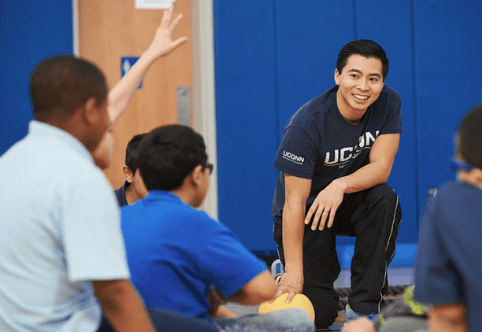
This course will incorporate interactive lectures, hands-on activities, guest speakers from the field, and opportunities to see sport operations in action. Students will also have the chance to meet sport industry professionals and learn about their career paths and experiences. Students will explore the many potential career paths within the sport industry and the academic journey that can prepare them for success.

By the end of the course, students will be able to identify key roles within the sport industry, have knowledge of the skills necessary for success in sport management, and better understand the role of sport professionals in shaping athlete experiences and community impact.

Sessions Offered

Storrs Session 2:

July 5, 2026 - July 11, 2026

Format

Non-Credit

Related Courses

Sports Medicine


This class is meant to be immersive and students will experience:

  • Learn the principles of working in a variety of professions in the industry of sport
  • Meet with sport industry leaders and professionals
  • Visit a variety of sport facilities in CT
  • Learn about systems that support the athlete experience at different levels (youth, college, & professional athletes)

Meet the Professor


Dr. Danielle DeRosa, Ed.D.

Assistant Professor in Residence, UConn Sports Management

Dr. Danielle DeRosa is an Assistant Professor in Residence in the Sport Management Program.  In this role she oversees the instruction of the experiential learning and career readiness components of the Sport Management undergraduate program.  This work includes employer and alumni outreach and opportunities to foster partnerships that ensure high quality learning experiences for Sport Management Program students. 

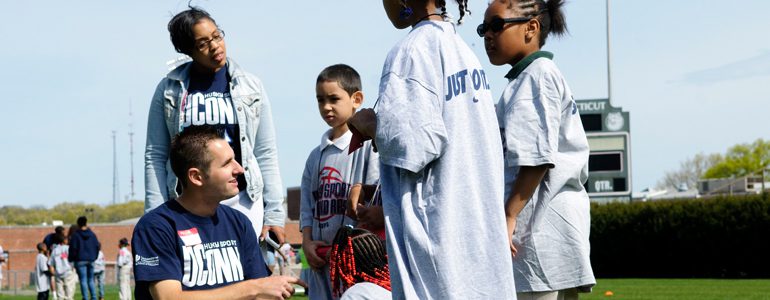
Danielle also serves as a Director for Husky Nutrition & Sport, a campus-community partnership that uses sport-based youth development as a foundational building block. Husky Nutrition & Sport facilitates the opportunity for UConn staff and students to engage in a collaborative relationship with community and campus partners to develop, deliver, and evaluate youth development programs that are aimed at enhancing exposure, knowledge, and opportunity to engage in physical activity, healthy nutrition, and academic achievement, as part of positive lifestyles and opportunities.

Throughout Danielle’s career she has had the opportunity use sport as a platform for relationship building, learning and development.

Climate Science

Understand Climate Change and Prediction

A planet’s climate is primarily driven by the energy received from its Sun, which varies with latitude, season, and orbit. The complex interplay between the energy influx and atmosphere, ocean, and land has made Earth a unique planet with stable climate conditions for hundreds of millions of years. This long-term stability has allowed plants and animals to flourish, including humans! What sustained Earth’s temperate climate? What do projections say about future climate? How do we make climate predictions? How likely are our predictions to become reality? This summer experience program will guide you through building a computer model to answer these questions. This class will provide an immersive and interactive learning experience.

This course will prepare you for continued learning in disciplines such as earth and environment sciences, political science, and social justice in college. More specifically, upon completion of this course you will be able to:

  • Explain the unique nature of ongoing climate change in the context of Earth’s climate history
  • Make sense of climate projections
  • Be able to conduct basic statistical analysis with a computer language

UConn Pre-College Summer: Climate Models

Sessions Offered

Storrs Session 1:

June, 21, 2026 - June 27, 2026

Format

Non-Credit

This class is meant to be immersive, and students will:

  • Model Earth’s energy balance, greenhouse effect, and feedbacks that drive planetary temperature evolution
  • Model the carbon cycle and the evolution of CO2 in the atmosphere
  • Estimate how temperature may evolve following different future socioeconomical development scenarios
  • Analyze climate simulations and assess their uncertainty

UConn Pre-College Summer: Climate Models

UConn Pre-College Summer: Climate Models

UConn Pre-College Summer: Climate Models

Meet the Professor


Ran Feng, Ph.D.

Associate Professor, UConn Department of Earth Sciences

Dr. Feng is a professor of Earth Sciences at UConn. She leads the Computational Climate Change Lab. Her research and teaching involve the study of climate evolution through Earth’s history and the implications of past warm climate states for future climate change. She develops computer simulations of past climates, which she uses to identify the physics that drive past climate states. Her work has improved the understanding of hydrological cycle, the role of vegetation and ice sheet in driving climate evolution, and the sensitivity of climate models. She has recently won the prestigious Faculty Early Career Development award from the National Science Foundation.  

The Calling to Teach

A deep dive into what it means to educate, inspire, and ignite passion in today’s classrooms.

This course serves as an educational foundations class for students grade 9–12 interested in learning more about teaching and K-12 institutional learning in the United States. Students relate their personal passions to educational contexts, and learn how history has shaped the profession of teaching.

This course is unique as it covers ALL facets of education! ANY student interested in becoming a teacher- whether it be in physical education, history, science, world language, animal sciences, special education, mathematics, and so on, will be supported through this course. This course will help develop ALL students through a unique analysis of what it means to teach, becoming a lifelong learner, and reflecting on professional responsibilities, whether it be in Kindergarten, elementary school, middle or high school!

Sessions Offered

Storrs Session 4:

July 19, 2026 - July 25, 2026

Format

Non-Credit

At the end of the week, students will be able to…

  • Describe their teacher identity, and how they can utilize it to inform their practice.
  • Broadly analyze the sociopolitical structure of school and teaching in the United States.
  • Articulate how their passions shape what they desire to teach and how they learn.
  • Recount the principles of belonging and inclusion that foster a positive classroom environment.
  • Reflect on the importance of joyfulness in teaching and making a commitment to lifelong learning.

Meet the Professor


Cleo Alberts

Ph.D Student,  UConn Neag School of Education

Cleo Alberts taught at public middle and high schools in Connecticut for five years in Hartford and New Haven. She is currently a 2nd year PhD student in the Neag School of Education at the University of Connecticut. Cleo is studying secondary mathematics education in the Department of Curriculum and Instruction.  She has been published in the field of trauma-informed, restorative teaching practices, has conducted research on student-created problems and their relevance to student cultural identities, and for the last year, has worked managing her advisor's grant promoting the leadership of math teachers around the state of Connecticut. In addition to formerly being a mechanical engineer designing airports. Cleo loves teaching and inspiring a new wave of educators in fields beyond mathematics.

Pre-Psych: Psychology & Neuroscience

Seeing is believing – not! Brain and behavior: Mind or Machine?

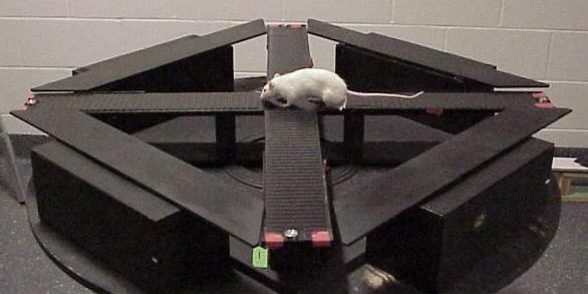
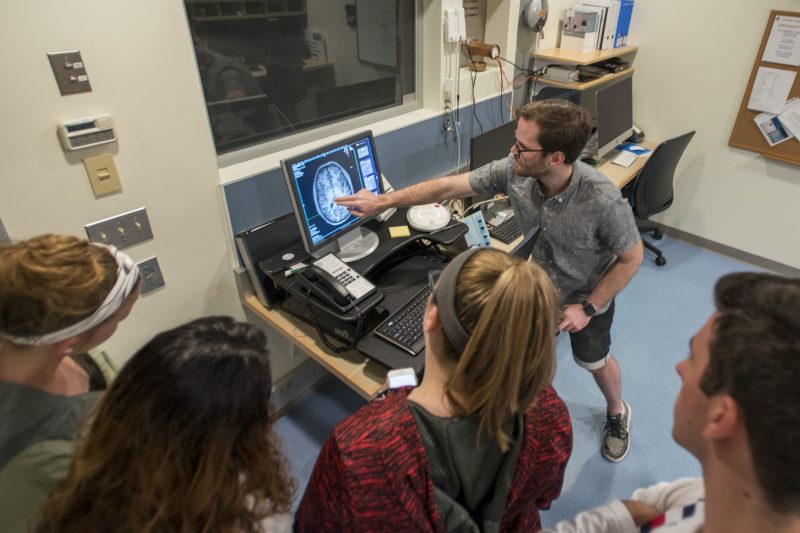
Ever get a feeling of Déjà vu? What happens when we confront something new? how do we tell if we’ve seen something before? In this introduction to the field of Behavioral Neuroscience course, Professor Markus will show you that what we think we see, hear and remember can have little to do with the physical reality. Professor Markus will guide you through fascinating human and animal research including responses of individual brain cells to changes in the world around us.

Students will be exposed to lively discussion, video clips, in-class activities, and a chance to analyze data, in order to come away with a better understanding of how our brains process information about the world.

Excellent for students interested in Psychology, Cognitive Sciences, and Medicine.

UConn Pre-College Summer: Pre-Psych

Sessions Offered

Storrs Session 4:

July 19, 2026 - July 25, 2026

Format

Non-Credit

This class is meant to be immersive and students will experience:

  • Discover that what we think we see, hear and remember can have little to do with the physical reality.
  • Lively discussion, video clips, in-class activities
  • Get a chance to analyze real data

UConn Pre-College Summer: Pre-Psych

UConn Pre-College Summer: Pre-Psych

UConn Pre-College Summer: Pre-Psych

Meet the Professor


Eton Markus, Ph.D.

Professor, UConn Department of Psychology

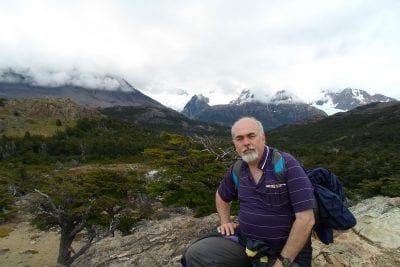
Etan Markus, PhD, Professor, Department of Psychology. Recipient of the 2016 AAUP Teaching Excellence Career Award; 2016 CLAS Excellence in Teaching Award; 2016 UCONN Office of Undergraduate Research Faculty Mentorship Excellence Award; NorthEast Under/graduate Research Organization for Neuroscience “Faculty Award for Excellence in Scholarship and Mentorship” (2020).  For more information go to: https://markusprecollege.psyc.uconn.edu/

Uconn PCS: Etan Markus

Marine Biology and Conservation

Conserving marine life and the environment of Long Island Sound - be a part of the solution

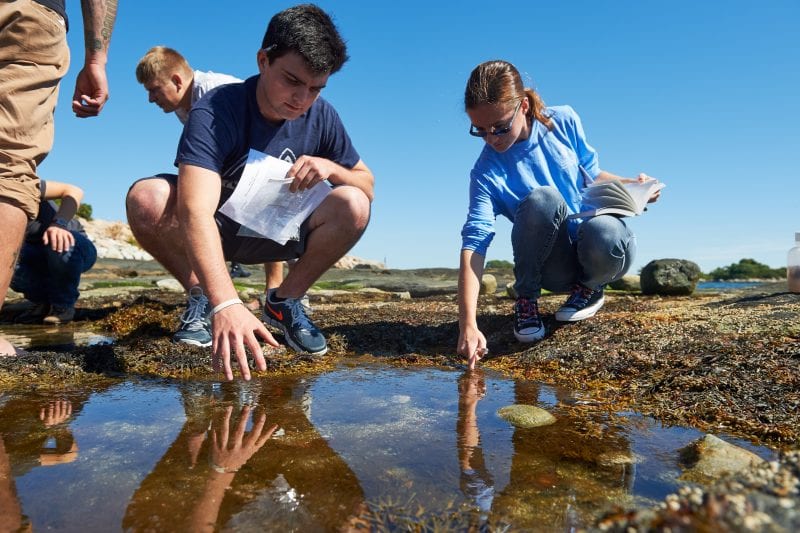
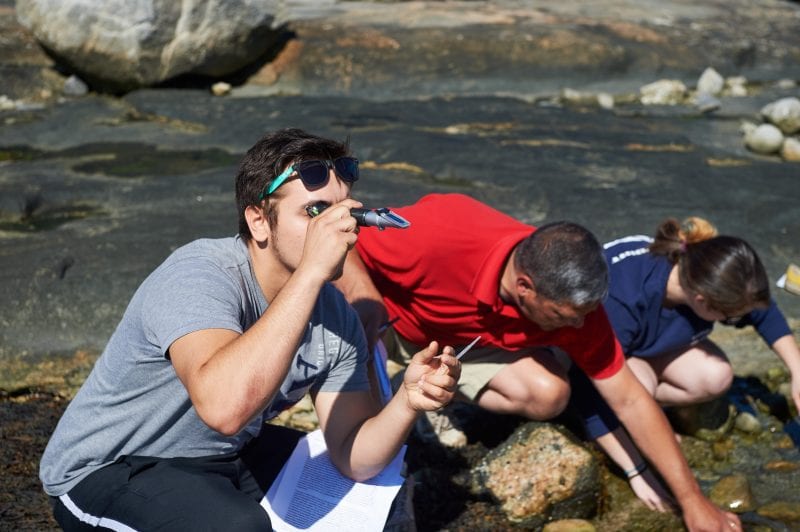
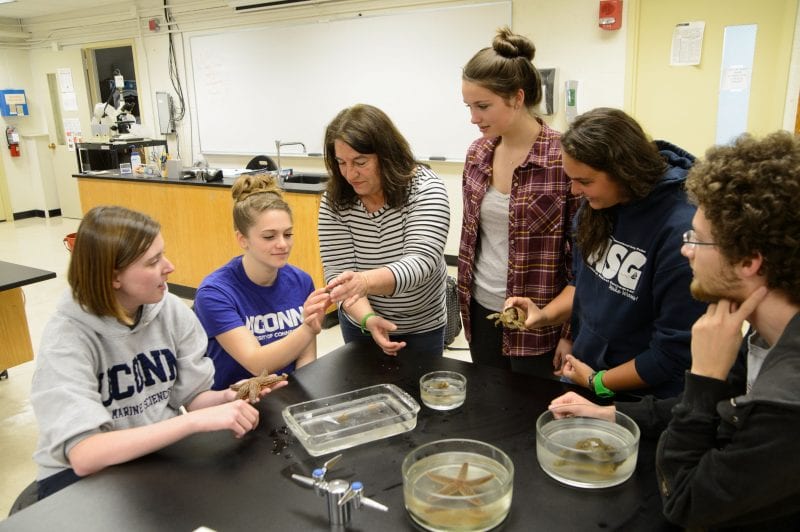
Prerequisites: Two years of High School Science and Math through Algebra II with a grade of C or higher ________________________________________________________________________________________________ Marine biologists study microbe, plant and animal physiology and ecology. While this research can be carried out on the scale of oceans much work is done in coastal waters, marshes, and laboratories. Understanding how marine organisms are adapted to their environment allows scientists and policy makers to make decisions about how to protect marine life and sustain ocean resources. To do this, marine scientists and marine biologists make observations and collect data on plant and animal diversity, ocean temperatures, currents, chemistry, and geology. This hands-on course will have you making these same observations in Long Island Sound (LIS), along the shore, in the laboratory and on the computer. Over the week you will study fish diversity in a nearby cove and marine invertebrate inhabitants of our rocky intertidal as well as seagrass and seaweed populations. You will conduct plankton tows and examine seawater properties. Dissections and laboratory experiments will inform you about the physiology and adaptations of local marine animals. We will collect data on the chemical and physical environment using instrumentation and sensors. By the end of the week, you will have learned and worked with many different types of equipment and instruments. You will conducted lab work and instrumental analysis. However, the key to being a good scientist is to be curious and ask good questions. You will use math, test hypothesis and apply reasoning to interpret your data and explain your observations. You can then begin to answer some of these questions and generate new ones. This is the foundation of marine ecology. We will be using this approach throughout the week. Finally, we will converge all our topics, data and observations to develop a better appreciation of the marine environment and create a sustainability plan for eastern LIS. This will also involve the critical thinking which we will have incorporated throughout the week as well as creativity. Our goals for you are:
  1. To appreciate how it is all connected - that the marine environment is influenced by our local watersheds, marshes and estuaries
  2. To understand that marine ecology is the interaction of marine organisms with each other and their physical and chemical environment
  3. To learn the ways that marine organisms must constantly adapt to their changing environment
  4. To experience how scientists are working to protect and conserve marine life
  5. To learn how to synthesize and present data to make informed decisions about conservation
  6. To always be curious and think critically

UConn PCS: Marine Biology

Sessions Offered

Storrs Session 1:

June 21, 2026  - June 27, 2026

Format

Residential, Non-Credit

This class is meant to be immersive and students will experience:

  • You will learn the properties of marine waters using instrumentation and laboratory experiments.
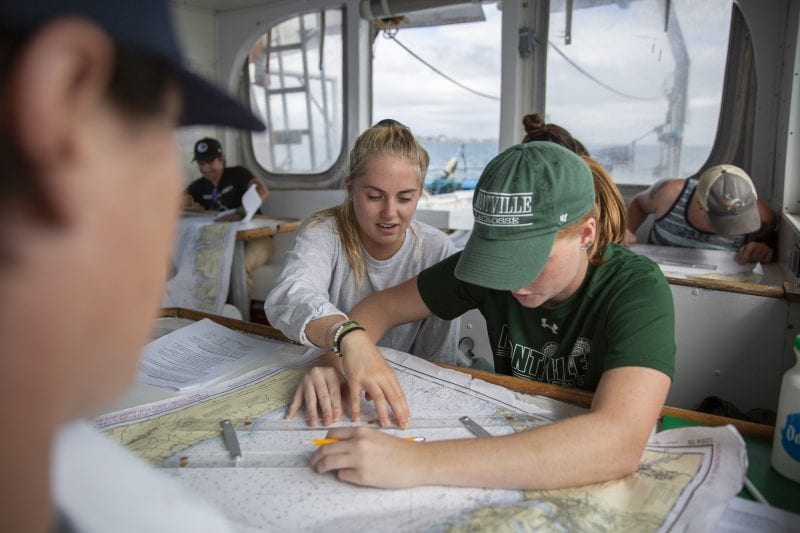
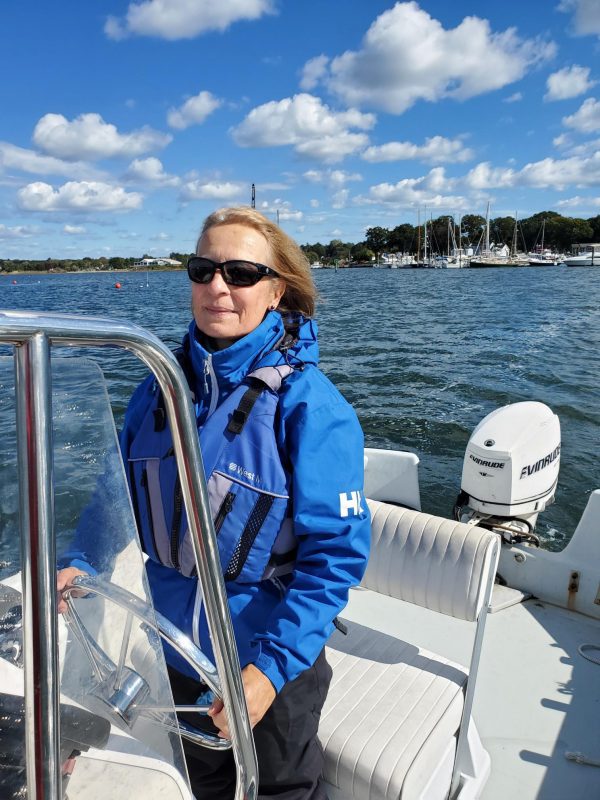
  • Small boat trips are used for observation of eel grass beds and seaweed distribution.
  • Fish seining and plankton tows will give you further information about biodiversity in eastern LIS.
  • Dissections of fresh and preserved specimens will inform you about animal adaptations.
  • Influence of environmental parameters on animal physiology will be studied through laboratory experiments.

UConn PCS: Marine Biology

UConn PCS: Marine Biology

UConn PCS: Marine Biology

This course will include labs @ UConn Avery Point and the CT Shoreline


Meet the Professor


Claudia Koerting, Ph.D.

Program Coordinator & Professor, UConn Marine Sciences

Dr. Claudia Koerting has been a scientist, faculty member and academic advisor in the department of marine sciences for nearly twenty years and she has been teaching at UConn for nearly 30 years. Her research at UConn has included marine benthic ecology, detection and ecology of marine pathogens and analysis of toxin producing microalgae but she now focuses on water quality. She is the undergraduate program coordinator for Marine Sciences. Currently Dr. Koerting teaches several undergraduate courses and mentors undergraduate research projects. Her interests and research continue in the fields of marine chemistry and marine microbiology.

Professor Koerting

Future Leaders: Personal Leadership Planning and Skill Development

Grow your potential as a dynamic leader!

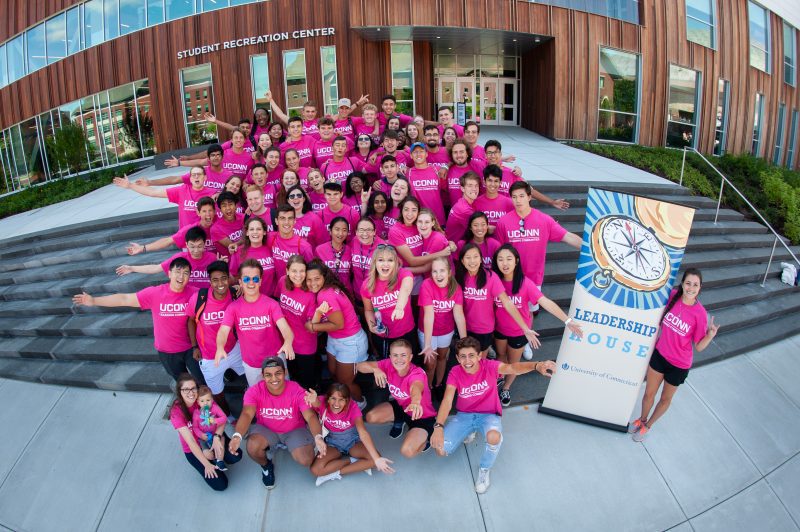
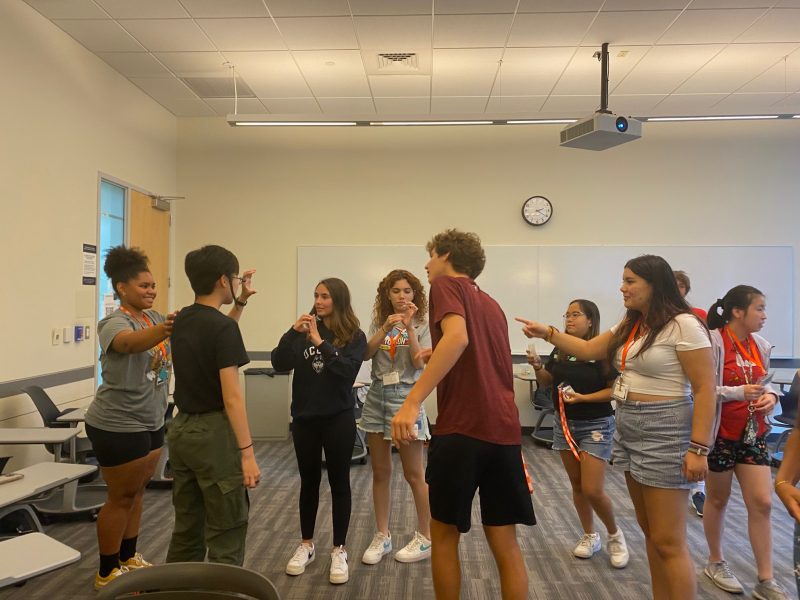
Future Leaders: Personal Leadership Planning and Skill Development is a course designed specifically for high school students enrolled in UConn's Pre- College Summer program. Throughout the course, students will engage in group discussions, lectures, leadership development activities, class projects, a challenge course, and hear from guest speakers. The course’s aim is to create and enhance awareness of student’s personal leadership strengths, unique styles, values, identities, as well as group dynamics and effective communication. This course will challenge students to think of their personal styles, as well as to think critically about their role as leader in the current and future spaces.

UConn Pre-College Summer: Leadership Style and Skill Development

Sessions Offered

Storrs Session 2:

July 5, 2026 - July 11, 2026

Format

Non-Credit

Related Courses

Public Service for the Greater Good

The Calling to Teach

This class is meant to be immersive and students will experience:

  • Group work and individual reflection
  • Low stakes public speaking and intrapersonal communication activities
  • Leadership simulations
  • Soft and hard skill development activities
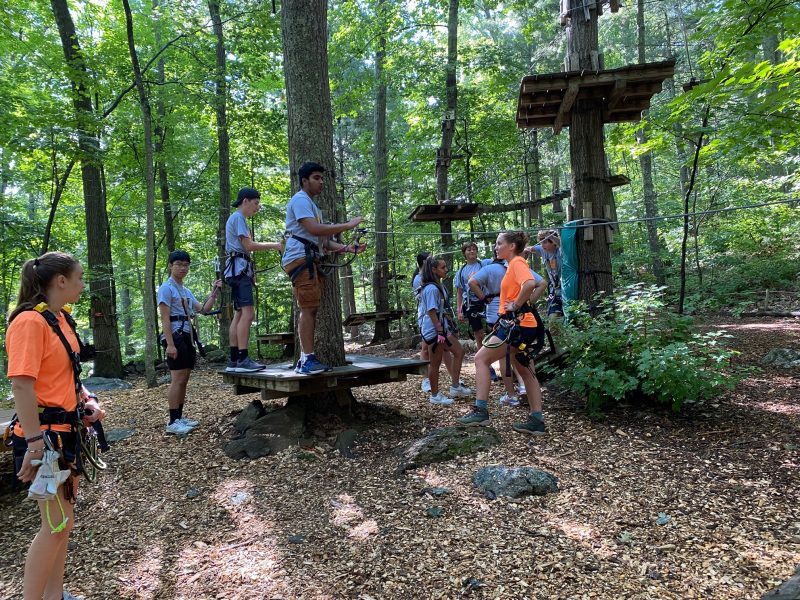
  • Team building at our outdoor ropes course

UConn Pre-College Summer: Leadership Style and Skill Development

UConn Pre-College Summer: Leadership Style and Skill Development

UConn Pre-College Summer: Leadership Style and Skill Development

Meet the Instructor


Tiffany Hoxie, MSMOL 

Interim Director of Leadership and Organizational Development, UConn

Tiffany Hoxie began her journey in education 18 years ago, working primarily in Youth Development and Early Childhood Education. Tiffany holds an associate degree in early childhood education and a bachelor's degree in child studies. Invested in the non-profit sector while in college, Tiffany climbed the ladder to Director of Education with the Boys & Girls Club organization, where the passion and desire for working with underserved and often unseen communities was born. This is also the time when the seed for leadership and organizational development was planted.

Tiffany achieved a Master of Management and Organizational Leadership in 2015, and that time, the pivot into higher education and entrepreneurship occurred. She pursued an entrepreneurial path that focused on “quality educational services from baby and beyond”. Additionally, she was the Assistant Director of Early Childhood and Child Studies programs at a state university, and currently serves as the Interim Director of Leadership and Organizational Development at UConn. In this role, she oversees a unique set of programs including the Cohen Leadership Scholarship program, Student Leadership Awards, Leadership Certificate Series, and the Four Arrows Challenge Course. She also teaches UNIV courses, facilitates career and leadership workshops, and serves as a support for students.

In addition to her role at UConn, she is an adjunct professor at external colleges, focusing on courses related to childhood education, career development, and business. Tiffany is passionate about ensuring that all students have access to a quality and equitable education.

Chemistry

The starting point of STEM

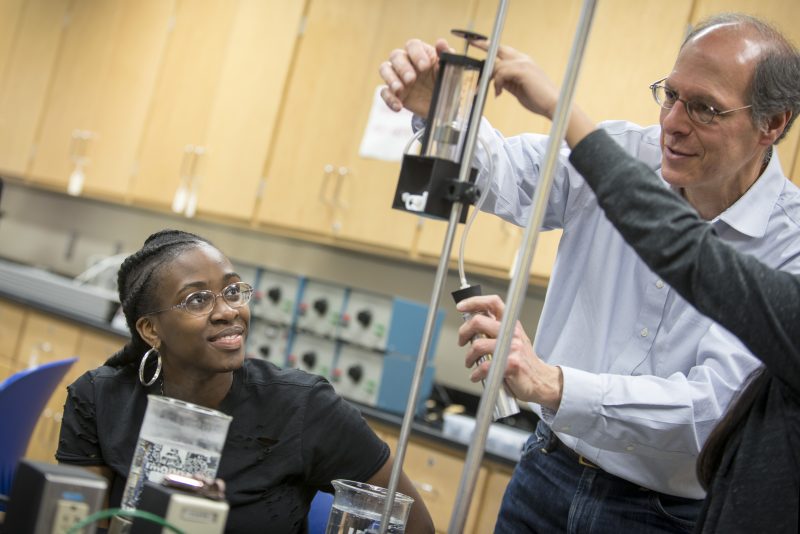
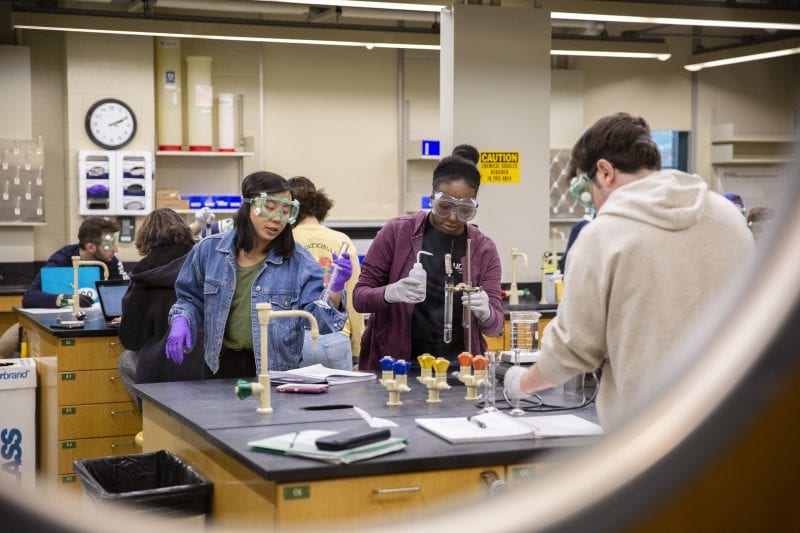
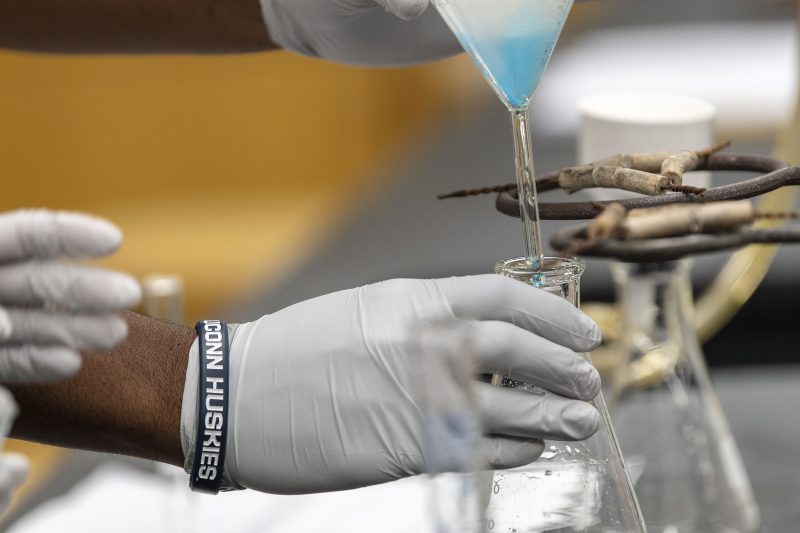
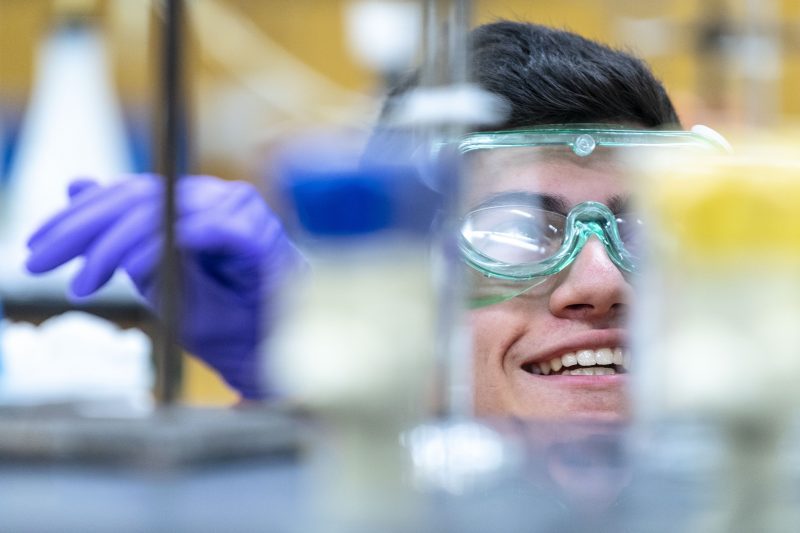
Everyone tells you that STEM education is important and that being a scientist, engineer or doctor is an excellent career path. Most people know Engineers build stuff and doctors heal people but what do scientists (specifically chemists) do? We’ll use each session to carry out fun hands on experiments that show different career paths open to chemists or other basic science majors.

There are hundreds of career paths you can follow as a science major. Helping sick people is a noble profession but it isn't for everyone. When you finish the course we hope you will have a better idea of some of the professions that STEM classes can prepare you for.

Sessions Offered

Storrs Session 2:

July 5, 2026 - July 11, 2026


Format

Non-Credit

This class is meant to be immersive and students will experience:

  • Pharmaceuticals: Aspirin synthesis
    • Chemists do drug synthesis
  • Natural products and pigments: Ultramarine- making one of the most expensive paints
    • Chemists make all of your favorite colors
  • Metallurgy: The golden penny experiment
    • Chemists use metals for all sorts of things
  • Innovative materials: Superconductor synthesis and things that glow
    • Chemists developed all of your LEDs and OLED screens.
  • Cosmetics: The chemistry of scents
    • Chemists were involved if it smelled good or was a pretty color. Chemists also make lots of things that look like mud and smell bad.
  • Food: Molecular gastronomy and artificial flavors in food.
    • Chemists had something to do with all those ingredients on a food package that you can’t pronounce.

UConn PCS Chemistry

Chemistry Course

Chemistry Course

Meet the Professor


Clyde Cady, Ph.D.

Assistant Professor in Residence, UConn Department of Chemistry

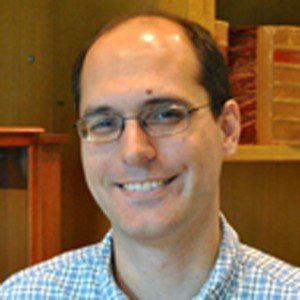
Clyde Cady, Ph.D., is an Assistant Professor in Residence in the Department of Chemistry. Dr. Cady received his undergraduate degree from the University of Minnesota where he was introduced to bioinorganic chemistry, the chemistry of the elements as pertaining to life events. He moved to Connecticut for his Ph.D. at Yale University where he studied photosynthesis. After postdoctoral studies at Uppsala University, Sweden, and Rutgers University he started teaching general and inorganic chemistry at UConn. His special interests are directed toward introducing pre-college students to the thrills of experimental chemistry.

Image of Clyde Cady