Archives

Exploring a Career in Sport Management

Turn your love for Sport into a fulfilling career!

Come learn about the field of Sport Management at a university with a rich culture in sports and championships!

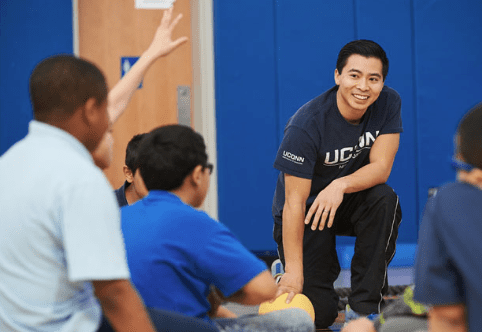
In this course you will learn about Sport Management as an academic and career pathway. Sport Management is an academic field that that blends educational, sociological and business principles with the sport industry in areas such as athlete support, community engagement, marketing, event planning, and facility management.

This course will incorporate interactive lectures, hands-on activities, guest speakers from the field, and opportunities to see sport operations in action. Students will also have the chance to meet sport industry professionals and learn about their career paths and experiences. Students will explore the many potential career paths within the sport industry and the academic journey that can prepare them for success.

By the end of the course, students will be able to identify key roles within the sport industry, have knowledge of the skills necessary for success in sport management, and better understand the role of sport professionals in shaping athlete experiences and community impact.
Sessions Offered

Session 4:

July 18, 2027 - July 24, 2027

Format

Residential

Non-Credit

Related Courses

Sports Medicine


This class is meant to be immersive and students will experience:

  • Learn the principles of working in a variety of professions in the industry of sport
  • Meet with sport industry leaders and professionals
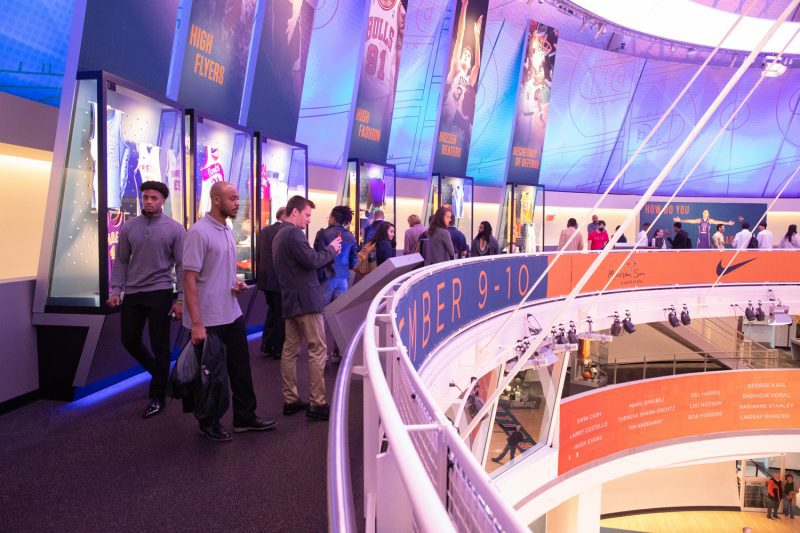
  • Visit a variety of sport facilities in CT
  • Learn about systems that support the athlete experience at different levels (youth, college, & professional athletes)

Related Careers:

  • Front Office Manager
  • Athletic Director
  • Sports Agent
  • Sports Operations Manager

Meet the Professor


Dr. Danielle DeRosa, Ed.D.

Assistant Professor in Residence, UConn Sports Management

Dr. Danielle DeRosa is an Assistant Professor in Residence in the Sport Management Program.  In this role she oversees the instruction of the experiential learning and career readiness components of the Sport Management undergraduate program.  This work includes employer and alumni outreach and opportunities to foster partnerships that ensure high quality learning experiences for Sport Management Program students. 

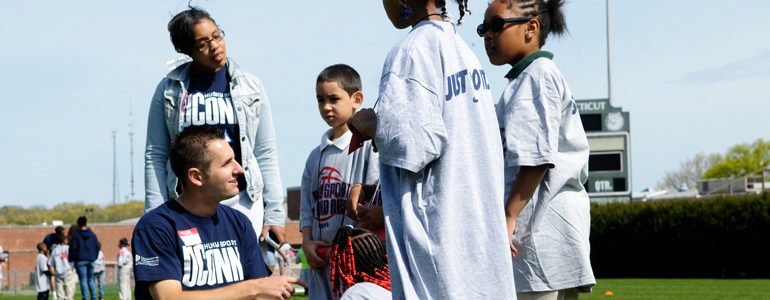
Danielle also serves as a Director for Husky Nutrition & Sport, a campus-community partnership that uses sport-based youth development as a foundational building block. Husky Nutrition & Sport facilitates the opportunity for UConn staff and students to engage in a collaborative relationship with community and campus partners to develop, deliver, and evaluate youth development programs that are aimed at enhancing exposure, knowledge, and opportunity to engage in physical activity, healthy nutrition, and academic achievement, as part of positive lifestyles and opportunities.

Throughout Danielle’s career she has had the opportunity use sport as a platform for relationship building, learning and development.

The Calling to Teach

A deep dive into what it means to educate, inspire, and ignite passion in today’s classrooms.

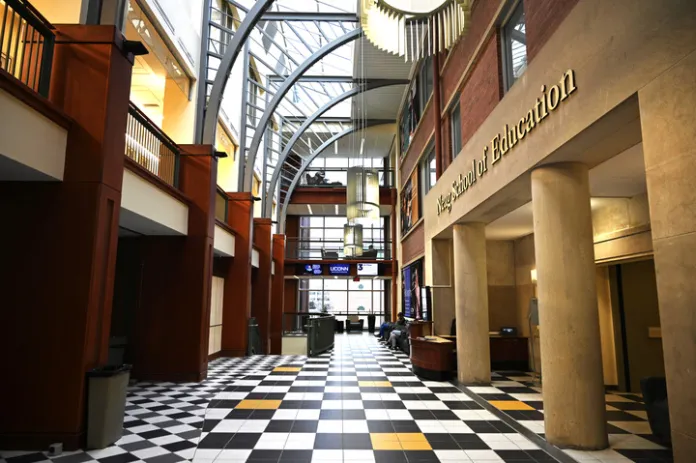
This course serves as an educational foundations class for students grade 9–12 interested in learning more about teaching and K-12 institutional learning in the United States. Students relate their personal passions to educational contexts, and learn how history has shaped the profession of teaching.

This course is unique as it covers ALL facets of education! ANY student interested in becoming a teacher- whether it be in physical education, history, science, world language, animal sciences, special education, mathematics, and so on, will be supported through this course. This course will help develop ALL students through a unique analysis of what it means to teach, becoming a lifelong learner, and reflecting on professional responsibilities, whether it be in Kindergarten, elementary school, middle or high school!

Sessions Offered

Session 4:

July 18, 2027 - July 24, 2027

Format

Residential

Non-Credit

This class is meant to be immersive and students will:

  • Describe their teacher identity, and how they can utilize it to inform their practice.
  • Broadly analyze the sociopolitical structure of school and teaching in the United States.
  • Articulate how their passions shape what they desire to teach and how they learn.
  • Recount the principles of belonging and inclusion that foster a positive classroom environment.
  • Reflect on the importance of joyfulness in teaching and making a commitment to lifelong learning.

Related Careers:

  • Teacher
  • Instructional Coordinator
  • School Administrator (principal, assistant principal, dean, etc.)

Meet the Professor


Cleo Alberts

Ph.D Student,  UConn Neag School of Education

Cleo Alberts taught at public middle and high schools in Connecticut for five years in Hartford and New Haven. She is currently a 2nd year PhD student in the Neag School of Education at the University of Connecticut. Cleo is studying secondary mathematics education in the Department of Curriculum and Instruction.  She has been published in the field of trauma-informed, restorative teaching practices, has conducted research on student-created problems and their relevance to student cultural identities, and for the last year, has worked managing her advisor's grant promoting the leadership of math teachers around the state of Connecticut. In addition to formerly being a mechanical engineer designing airports. Cleo loves teaching and inspiring a new wave of educators in fields beyond mathematics.

Landscape Architecture: From Backyards to Bioregions

2 week course

Sketch, map, and model your own outdoor space, and see how landscape architects design places for people, plants, and animals

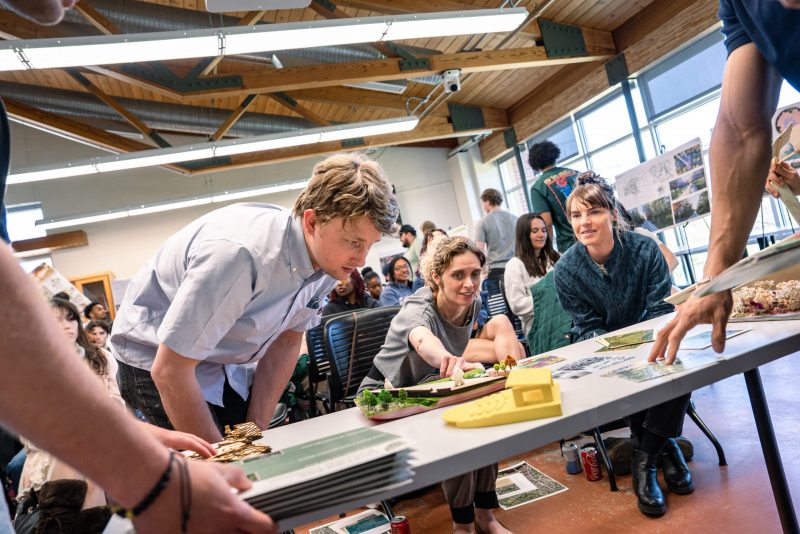
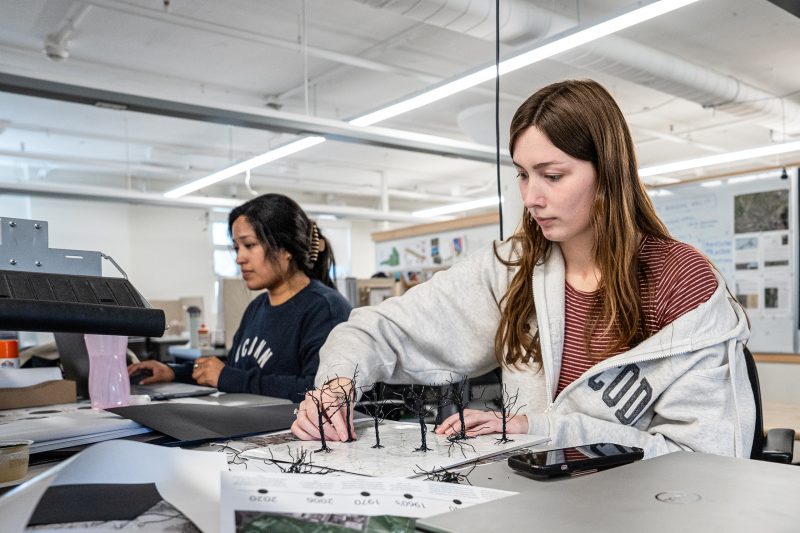
Landscape architecture is the design of outdoor places, from backyards and city streets to parks, waterfronts, and entire eco-regions. In this course, you’ll get a broad introduction to the discipline: its history, the range of projects landscape architects take on, and how they design public spaces that serve people and the environment. Through fieldwork, drawing, and model making, you’ll learn to observe a site, develop ideas, and present your own design for an outdoor space.

This is a hands-on introduction to a design field some may have never encountered, even though they use its work every day. You’ll learn the same tools landscape architects use, including sketching, modeling, digital illustration, digital fabrication, and fieldwork, and apply them to real outdoor spaces.The course is taught by UConn landscape architecture faculty and gives you a clear picture of what studying the discipline in college looks like.

Sessions Offered

Session 3 &4:

July 11, 2027 - July 24, 2027

Format

Residential

Non-Credit

This class is meant to be immersive and students will experience:

  • Describe what landscape architects do, including the range of project types and scales the discipline covers, from residential gardens to parks, streets, and entire regions.
  • Identify key moments and figures in the history of landscape architecture and explain how they shaped the public spaces we use today.
  • Observe and document a site through fieldwork, recording features such as landform, vegetation, water, and how people use the space.
  • Communicate design ideas through hand sketching and illustration.
  • Build physical models to study and represent a design in three dimensions.
  • Create basic 3D computer models and use photo-editing software to illustrate a proposed design.
  • Develop a design proposal for an outdoor space and present it clearly to an audience.

Related Careers:

  • Landscape Architect
  • Urban Planner
  • Ecological Restoration Specialist
  • 3D Modeler/Visualizer

Meet the Professor


Tom Sterling

Assistant Professor in Residence of Landscape Architecture

Tom Sterling is an Assistant Professor in Residence in Landscape Architecture at UConn, where he teaches design studios and courses on drawing, mapping, and construction. He is interested in how designers use tools, from hand sketches and physical models to computers and digital maps, to understand landscapes and imagine how they could change. He founded LandFAB, UConn Landscape Architecture’s fabrication lab, where students use laser cutters, 3D printers, and other equipment to turn their ideas into physical models and prototypes. His classes have taken students into the field to map how climate change affects neighborhoods in New Haven and to design outdoor classrooms built from low-carbon materials. Tom is also completing his Doctor of Design at Harvard University, where he studies the history of how computers came to shape the way designers think about the environment.

Physics: Materials Drive the World

Atoms make materials-learn the basics of material behavior

Atoms combine to for compounds with diverse properties. In this session we will practice the techniques to measure material properties. We will look at possible magnetic, electrical, capacitive, or luminescence properties; the property depends on the material. That the mystery, each material is different. We will have access to research labs where these measurements are actively being taken. For completeness, to appreciate where materials originate, with the help of our resident astronomers, we will hear a lecture on where atoms originate and finish off with a planetarium show. The origin of atoms is a field unto itself.


Sessions Offered

Session 4:

July 18, 2027 - July 24, 2027

Format

Residential

Non-Credit

Related Courses

Exploring a Career in Sport Management

Business Analytics

This class is meant to be immersive and students will experience:

  • Perform luminescence measurements on materials
  • Perform magnetic measurements on materials
  • Understand the origins of Stars
  • Introduction to Quantum Mechanics
  • Appreciate the background work to develop novel technology

Related Careers:

  • Aerospace Engineer
  • Optical Engineer
  • Research Scientist

physics

Meet the Professor


David Perry

Adjunct Professor, Department of Physics


David Perry

Pre-Med: Musculoskeletal Injury and Pathology

Understanding the Human Body and Injury

Are you interested in orthopedics, sports medicine, and related health-care fields? If you have ever wondered what REALLY happens when someone “sprains an ankle” or “tears an ACL”, this course is for you. Designed to provide an in-depth understanding of injury and the human body, this Pre-Med: Musculoskeletal Injury Pre-Summer course gives students the opportunity to explore their interests and see the inner workings of the human body.
In this course, we will examine anatomical changes that take place when someone experiences a musculoskeletal injury, especially those that occur in athletes and individuals who lead active lifestyles. We will replicate the structural changes of real-life injuries in UConn’s new, state of the art Human Anatomy Learning Lab through human cadaver dissection. This hands-on experience will provide an inside-out look at musculoskeletal injuries and is an opportunity that most students who are interested in the medical field are not afforded until graduate school.

Sessions Offered

Session 4:

July 18, 2027 – July 24, 2027

Format

Residential

Non-Credit

This class is meant to be immersive and students will experience:

  • Use various technologies in lab activities (i.e. motion capture, neuromuscular assessment, and diagnostic ultrasound)
  • An understanding of evaluation of some of the most common musculoskeletal injuries, to further explore the consequences of these injuries

Related Careers:

  • Sports Medicine Physician
  • Orthopedic Pathologist
  • Orthopedic Surgeon
  • Physician Assistant

Students in Pre-Med class

Meet the Professors


Jeffery M. Kinsella-Shaw, Ph.D., P.T.

Associate Professor, Livieri Endowed Professor of Physical Therapy, UConn Department of Kinesiology 

Jeffrey M. Kinsella-Shaw, Ph.D., P.T. is the tenured and Endowed Livieri Professor of Physical Therapy and the founder and Director of UCONN’s Human Anatomy Learning Laboratory in the Department of Kinesiology. He is the past Director of UCONN’s Doctoral Physical Therapy Program and currently serves on the Executive Board of UCONN’S Brain Imaging Research Center and as a Senior Research Scientist at the Center for the Ecological Study of Perception and Action in the Department of Psychology. His areas of expertise include clinical neuroscience, human anatomy, physiology and pathophysiology, cognitive and perceptual psychology, motor control, motor learning, and neurological physical therapy.

Professor Kinsella-Shaw

Laurie Lee Devaney PT, ATC, PhD

Department Head, UConn Department of Kinesiology

Laurie Lee Devaney PT, ATC, PhD is an experienced educator with over 27 years of clinical experience in orthopedic and sports physical therapy. She has expertise in managing a range of musculoskeletal conditions and regularly presents at the state and national level on a variety of topics including manual therapy, clinical measurement, and management of patients with neck and shoulder conditions. In addition to her responsibilities in the Doctor of Physical Therapy Program, Laurie enjoys working with student athletes in her role as Consultant to UConn Athletics and is actively involved in promoting student wellness as part of Innovate Student Wellness at UConn.

Laurie received her Bachelor of Science Degree in Physical Therapy from the University of North Carolina at Chapel Hill, NC in 1989 and has been an NATA Certified Athletic Trainer since 1993. She earned an Advanced Master of Science in Orthopedic Physical Therapy from the University of Saint Augustine for Health Sciences in 2000 and completed a PhD in Exercise Science at UConn in 2018. She is an active member of the American Academy of Orthopedic Physical Therapists. Laurie and her husband, Mark, live in Tolland and have three children.

Professor Devaney

Pre-Psych: Psychology & Neuroscience

Seeing is believing – not! Brain and behavior: Mind or Machine?

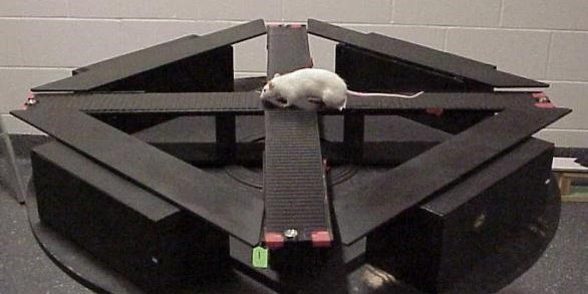
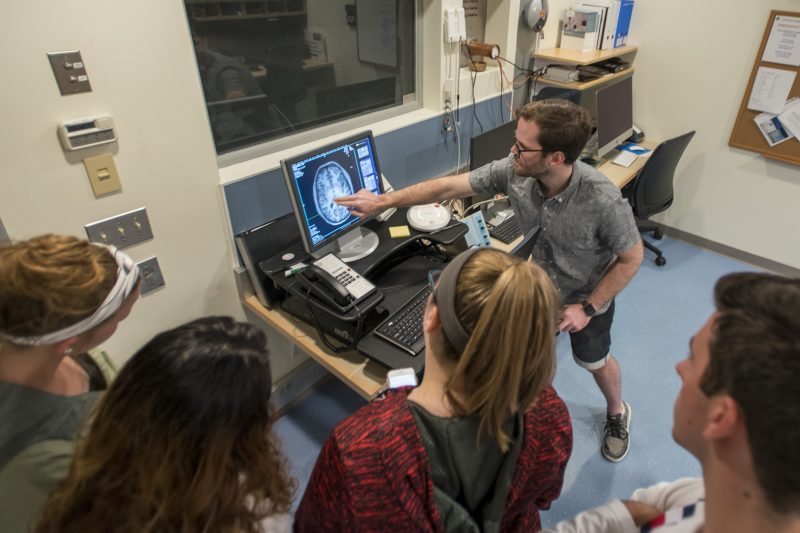
Ever get a feeling of Déjà vu? What happens when we confront something new? how do we tell if we’ve seen something before? In this introduction to the field of Behavioral Neuroscience course, Professor Markus will show you that what we think we see, hear and remember can have little to do with the physical reality. Professor Markus will guide you through fascinating human and animal research including responses of individual brain cells to changes in the world around us.

Students will be exposed to lively discussion, video clips, in-class activities, and a chance to analyze data, in order to come away with a better understanding of how our brains process information about the world.

Excellent for students interested in Psychology, Cognitive Sciences, and Medicine.

UConn Pre-College Summer: Pre-Psych

Sessions Offered

Session 4:

July 18, 2027 - July 24, 2027

Format

Residential

Non-Credit

This class is meant to be immersive and students will experience:

  • Discover that what we think we see, hear and remember can have little to do with the physical reality.
  • Lively discussion, video clips, in-class activities
  • Get a chance to analyze real data

Related Careers:

  • Clinical Neuropsychologist:
  • Neuroscience Researcher
  • Psychiatrist
  • Clinical / Mental Health Counselor

UConn Pre-College Summer: Pre-Psych

UConn Pre-College Summer: Pre-Psych

UConn Pre-College Summer: Pre-Psych

Meet the Professor


Eton Markus, Ph.D.

Professor, UConn Department of Psychology

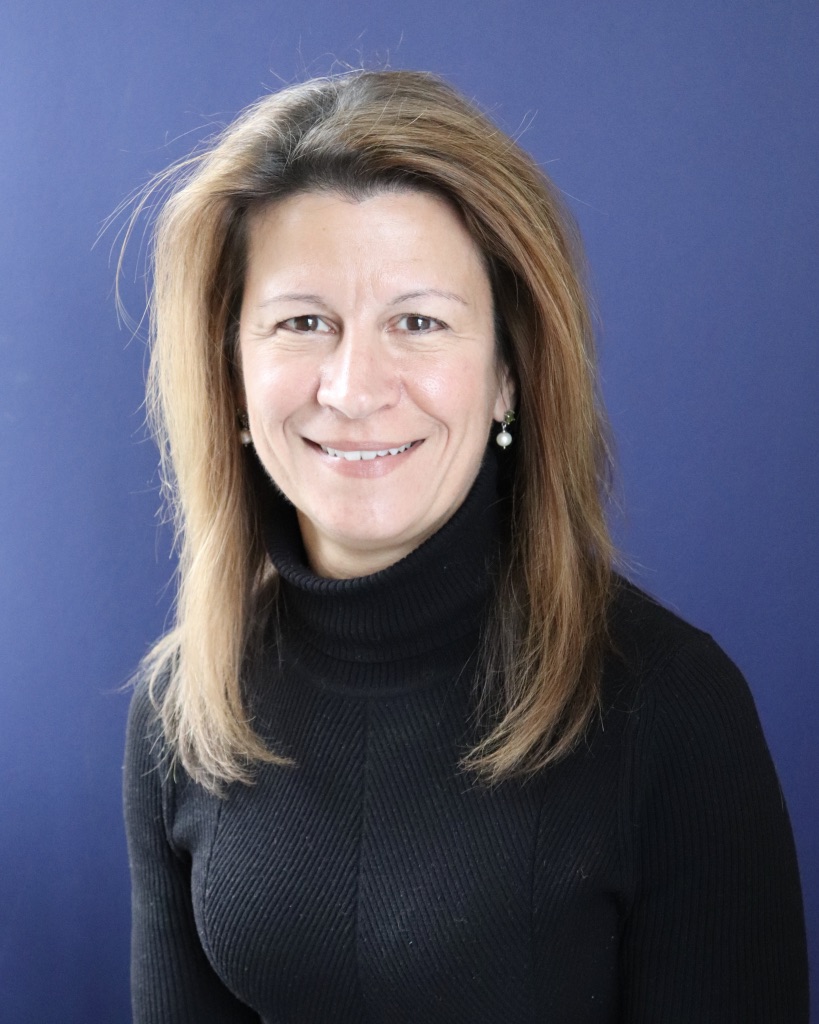
Etan Markus, PhD, Professor, Department of Psychology. Recipient of the 2016 AAUP Teaching Excellence Career Award; 2016 CLAS Excellence in Teaching Award; 2016 UCONN Office of Undergraduate Research Faculty Mentorship Excellence Award; NorthEast Under/graduate Research Organization for Neuroscience “Faculty Award for Excellence in Scholarship and Mentorship” (2020).  For more information go to: https://markusprecollege.psyc.uconn.edu/

Uconn PCS: Etan Markus

Earth and Environmental Sciences

The Earth, The Environment, and You

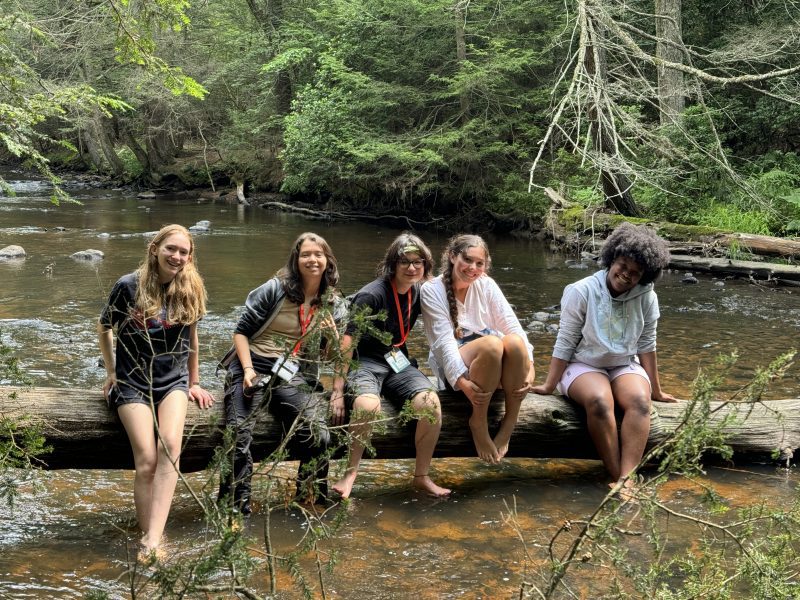
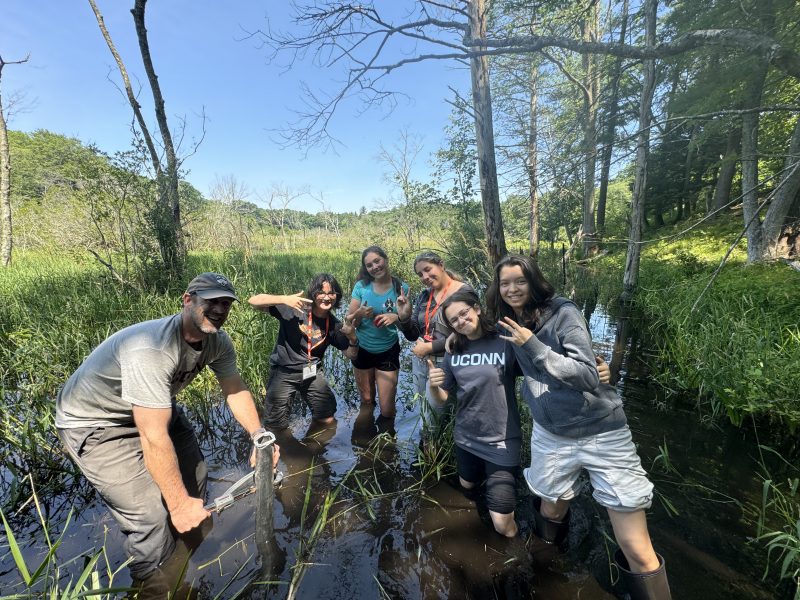
This summer experience program focused on Earth and Environmental Science, high school students will explore the field via a course bridging camp and college-level study. Brought to you by UConn Department of Earth Sciences Faculty, Dr. Ouimet and Dr. Hren, students will have the opportunity to work side-by-side with field researchers and experts.

Earth Scientists study all aspects of the Earth system, including its history, structure, rocks, soils, rivers, oceans and atmosphere. The UConn Environmental Science pre-college summer course will introduce this wide-ranging discipline and discuss how earth and environmental scientists play a crucial role in understanding and making predictions about a diverse range of earth resources, processes and hazards, from mineral deposits to earthquakes to floods and climate change. Why is this important? Earth’s ecology is closely linked to sustainability and environmental science is key to this pursuit.

This Earth and Environmental summer course for high school students will integrate:

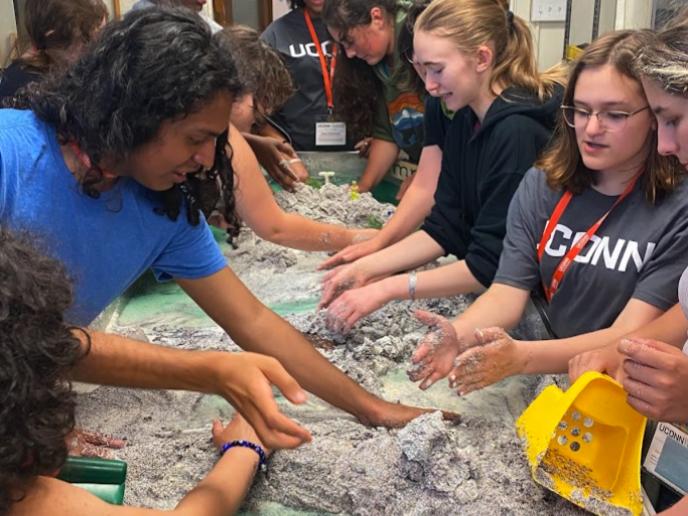
  • lectures and dynamic learning modules on background earth science material.
  • field and lab demonstrations.
  • collection and analysis of rock, soil and water samples.
  • guest visits from UConn Earth Sciences faculty across the wide range topics in the discipline.

Sessions Offered

Session 4:

July 18, 2027 - July 24, 2027

Format

Residential

Non-Credit

Related Courses

Climate Science

This class is meant to be immersive and students will experience:

  • The many aspects of Earth & Environmental Science and the diverse methods and approach scientists used to study the Earth system
  • How to analyze the mineralogy and environmental geochemistry of rocks, soil, water and sediments.
  • How to understand and interpret the geologic history of Connecticut.

Related Careers:

  • Earth Scientist
  • Environmental Consultant
  • Geologist

Meet the Professors


UConn Environmental Science Pre-College Summer Program Instructor: Dr. William OuimetWilliam Ouimet, Ph.D., Associate Professor of Earth Sciences
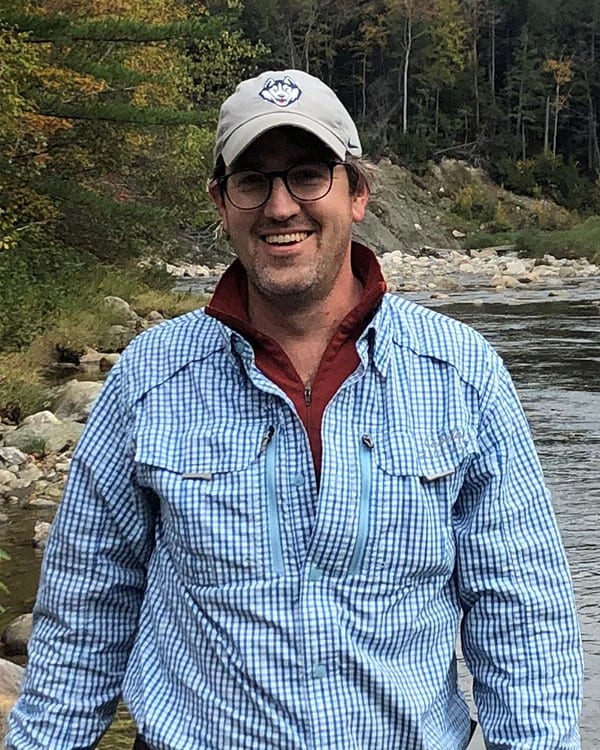
Dr. Ouimet (Will) is an Associate Professor of Earth Sciences at UConn. He loves working with students outdoors and on field trips, and it’s one of the reasons he became an Earth Scientist. His research and teaching involves the study of erosion, rivers, landslides and environmental change around the world, as well as the influence of human activities. He works in the field, where he collects samples and maps out geological features, in the lab, where he analyzes rocks, water, soil and sediment, and on the computer, where he explores remote sensing datasets of the earth and uses models to simulate how landscapes change through time. His research has taken him all over world, from the Colorado Rockies, to Greece, Tibet, Taiwan, and the Bahamas. It has also allowed him to appreciate and explore the geology underfoot and processes at play here in southern New England, right where he grew up.


UConn Environmental Science Pre-College Summer Program Instructor: Dr. Michael HrenMichael Hren, Ph.D., Associate Professor of Earth Sciences

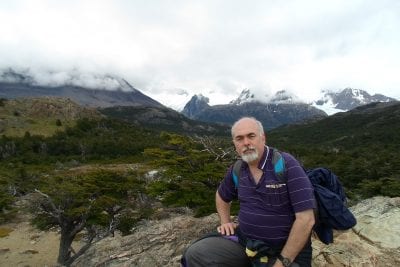
Dr. Hren (Mike) is also an Associate Professor of Earth Sciences at UConn. His research and teaching is focused on understanding how Earth’s climate, ecosystems, and environment evolve over time and how Earth’s history informs its future. His work takes him to mountain ranges around the globe, from the high peaks of Patagonia to the mountains of Tibet to the Sierra Nevada of California, where he and his students collect sediment, rocks, soils and water to bring back to UConn for analysis. He is the director of the Stable Isotope and Organic Molecular Biogeochemistry laboratory, and when not traveling for research, can be found working in the laboratory with students and colleagues from UConn and visitors from around the world analyzing modern and ancient plants, sediments and even an occasional woolly mammoth, to understand Earth and life through time.

Pharmacy: Being a Medication Expert & Beyond

Optimizing Medication Use and Safety- Learn Pharmacist's Contributions Across the Healthcare Industry

Where will you be in five years? That’s a hard question to answer, especially for high school students. UConn’s Pre-College Summer Pharmacy: Being a Medication Expert & Beyond course can help students figure it out. No matter what area of pharmacy you pursue, the underlying theme of pharmacy practice is to help people live healthier lives. Whether it be in a community pharmacy, hospital pharmacy or the pharmaceutical industry, pharmacists play a major role is assisting patients, clients and other health professionals in the proper use of medications to provide the best outcome for patient health.

A career in pharmacy is diverse and rewarding, with opportunities for patient care, scientific research and innovation. Our Pharmacy: Being a Medication Expert & Beyond session will provide students with an overview of the many career opportunities available to graduates of pharmacy programs and the path that they must follow to achieve their goals.

This course will incorporate interactive lectures, hands-on learning activities, learning key pharmacy skills, making drug products, hearing guest lectures and going on field trips to see innovative pharmacy practices! You will get a chance also to meet a few key pharmacy leaders and learn their journeys to successful careers.

Keep an open mind when deciding on what career or major option is right for you. There are so many specialties and opportunities available for pharmacists including working at pharmaceutical companies, state and federal agencies, insurance companies, uniformed services, hospital practice, community practice and academic pharmacy just to name a few. Pharmacists hold a unique knowledge and skill-set that is greatly valued by other health care providers and the public.

Students will be able to identify key roles of pharmacists in different parts of the healthcare industry, recognize how the profession has changed in recent years, compare how pharmacy is practiced around the globe, determine what skills are needed to be a pharmacist and give many examples of how pharmacists have changed patient outcomes.

We are grateful to CVS Health who is helping young people access important learning through this course.  Participants in this course become CVS Health Junior Scholar and will receive a $600 scholarship that will be applied to their cost of attendance.

Sessions Offered

Session 4:

July 18 2027 - July 24, 2027

Course Fees

Cost, Fees, & Discounts

CVS Health is sponsoring a $600 scholarship for every student!

Format

Residential

Non-Credit

This class is meant to be immersive and students will experience:

  • Share greater knowledge of the healthcare professions and how pharmacy compares with other professions.
  • Communicate more effectively in college admissions essays how their interests fit with the changes in the health professions and pharmacy in particular.
  • Describe specific areas of interests in healthcare that interest them and why they are of interest.
  • Map out a strategic plan of how they will learn more about their specific healthcare interests through shadowing and networking.
  • Identify the exciting and rewarding aspects of how pharmacists can impact patient care.

Related Careers:

  • Pharmacist
  • Regulatory Affairs & Pharmacovigilance
  • Pharmacy Technician / Liaison
  • Pharmaceutical Researchers

UConn Pre-College Summer: Pharmacy

Pharmaceutical chemicals

Pharmacy student

Meet the Professor


Nathaniel Rickles, Pharm.D., Ph.D., BCPP

Professor of Pharmacy Practice, UConn School of Pharmacy

Associate Dean of Admissions & Students Affairs, UConn

Nathaniel ("Nate") Rickles is an Associate Dean of Admissions and Student Affairs and Professor of Pharmacy Practice at the University of Connecticut School of Pharmacy. He received his B.S. in psychology and chemistry from Dickinson College, Pharm.D. from the University of the Sciences in Philadelphia, M.S. and Ph.D. in the Social and Administrative Sciences from the University of Wisconsin-Madison. Nate also completed a psychiatric pharmacy practice residency and is board certified in this area. He was inducted as a Fellow of the American Pharmacists Association. He came to the UCONN School of Pharmacy in 2016. He taught previously at Northeastern University (Boston, MA) and Long Island University (Brooklyn, NY).

His primary research interests are to develop, implement, and evaluate intervention programs that improve community pharmacist communication with patients and/or other team members to subsequently improve medication adherence and patient safety. His research on medication adherence has explored measurement of adherence, factors affecting medication adherence, and interventions to improve adherence. Nate also explores educational methods to improve the teaching of communication skills. His primary teaching interests involve courses on communication skills, health promotion, cross-cultural health care, and research methods. He has published approximately 45 peer-reviewed publications, invited to present at more than 40 local, national, and international meetings, and presented 50 peer-reviewed posters or podium presentations at local, national, or international professional meetings. He had led and/or co-led several national, state and local research grants and continues to actively be involved in grants and publications. Nate was the lead editor on the third edition of the textbook Social and Behavioral Aspects of Pharmaceutical Care.

Nathaniel Rickles on Sept. 2, 2021. (Peter Morenus/UConn Photo)

Biomedical Engineering: Exploring and Designing Biomedical Wearable Devices to Record Human Motion and Activities

Students will employ computer-aided designing (CAD), 3D printing, and biomedical sensors to develop creative solutions to real-world engineering challenges in healthcare

Prerequisites: High School Biology, Chemistry, and Physics helpful but NOT required

Biomedical engineering combines engineering, computer science, and life science principles to discover solutions to health problems, be it creating medical devices, prosthetics, treating diseases, growing artificial organs and tissues in the lab, or modeling the human physiology on a computer. Being such a broad field, the typical college freshman can be overwhelmed with the intricacies of the different sub-fields, their differences, and most importantly, how to pursue a professional career in their area of interest. This course is therefore designed to focus on these issues; it is an introductory, hands-on course that acquaints students with an overview of biomedical engineering, its principles, and real-life applications.
The strategy employed to achieve the course objectives combines class lectures and hands-on experimental work in the lab. Students learn to unleash their creativity and use computer-aided designing (CAD), 3D printing, and biomedical sensors to develop creative solutions to real-world engineering challenges in healthcare. Such activities enable students to visualize how STEM subjects combine with engineering principles to create real-world solutions that improve life for mankind.

After completion of the course, students will be able to:
• Demonstrate an understanding of biomedical engineering and its role in the delivery of healthcare.
• Relate the broad biomedical engineering field to their interests and career aspirations.
• Demonstrate an ability to apply biomedical engineering principles to solve a real-life problem.
• Develop technical communication, teamwork, and critical thinking and analysis skills.

UConn PCS: Biomedical Engineering

Sessions Offered

Session 4:

July 18, 2027 - July 24, 2027

Format

Residential

Non-Credit

This class is meant to be immersive and students will:

  • Learn about the state-of-the-art biomedical engineering research activities and how they improve our lives.
  • Learn about the prerequisite skills and knowledge needed to be competent in the biomedical engineering sub-disciplines
  • Work in a team to design and build simple yet functional medical device prototypes.
  • Use a computer-aided design (CAD) software to create physical structures for biomedical applications.
  • Communicate your technical results and data through an oral presentation and written report.

Related Careers:

  • Wearable & Biosensor Technology Developer
  • Biomedical Data Scientist
  • Medical AI Engineer

UConn PCS: Biomedical Engineering

UConn PCS: Biomedical Engineering

UConn PCS: Biomedical Engineering

Meet the Professor


Patrick Kumavor, Ph.D.

Assistant Professor in Residence, UConn Biomedical Engineering Department

Patrick Kumavor is an associate professor-in-residence in the biomedical engineering department of the University of Connecticut. He received his Ph.D. in electrical engineering from the University of Connecticut in 2008. Dr. Kumavor has worked on a plethora of research activities ranging from ultra-secure encryption systems to biomedical diagnostic instruments for early-stage cancer detection. He has also taught and developed new courses in Foundations of Engineering, Biomedical Engineering Measurements, Bioinstrumentation, Bioinstrumentation optics, Junior Design, and Senior Design where some of the capstone projects he has mentored have been featured in news articles. In addition, he’s worked with several undergraduate students on Independent Research Study Projects and as the BME honors advisor, has mentored many students working on their senior honors thesis projects. Dr. Kumavor’s present interest is working with undergraduate students to stimulate in them a passion for science and engineering.

Patrick Kumavor

Pre-Law

Experience the Law in Action

Oliver Wendell Holmes famously stated that “the life of the law has not been logic; it has been experience.” In accordance with this observation, our Pre-Law course provides high school students with both academic and practical understandings of the law, legal education, and operations of the American criminal and civil justice systems as well as appellate processes. This course may be of particular interest to aspiring legal professionals as well as to those who have a curious interest in current legal issues.

Students leave this course prepared to enter a pre-law program at the college level with a more comprehensive understanding of legal theory, constitutional rights, as well as formal and informal systems for resolving disputes in the United States. Participation in simulations throughout the week bolster public-speaking skills. Engaging conversations centering on current legal issues feed each participant's intellectual curiosity.

Image of student reading

Sessions Offered

Session 4:

July 18, 2027 - July 24, 2027


Format

Residential

Non-Credit

This class is meant to be immersive and students will:

  • Study theories of the law and the U.S. Constitution
  • Experience legal education by being a law student for a day during our visit to the UConn School of Law
  • Observe the American criminal justice system in action by visiting a local courthouse and meeting with real-life judges and prosecutors
  • Assess current issues relating to the civil justice justice system, particularly in relation to environmental litigation
  • Participate in the appellate process by way of a Moot Court simulation based on a highlighted case in constitutional law

Related Careers:

  • Lawyer
  • Court Clerk
  • Contract Administrator
  • Legal Examiner

Image of Law Class

Image of student reading

Image of students writing on board

Meet the Professor


Kimberly R. Bergendahl, Ph.D.

Associate Professor in Residence, UConn Department of Political Science

Dr. Kimberly R. Bergendahl is an Associate Professor in Residence in the Department of Political Science and also serves as its Internship Coordinator and advisor to Crime and Justice minors. A recipient of the 2018 Honors Faculty Member of the year award, Dr. Bergendahl teaches courses in the fields of Public Law, American Politics, and Political Theory. She has been teaching the Pre-Law course in the Pre-College Summer Program since 2017. She also served as the coach and advisor for the UCONN Moot Court Competition Team. Dr. Bergendahl received her B.A. from Southeastern Massachusetts University and her M.A. and Ph.D. from the University of Connecticut. Her current research interests include the Senate Judiciary Committee's review of Supreme Court nominations throughout history, local and state regulations on environmental toxins, the influence that popular culture has on the law, and Political Science education and civic engagement.

Dr. Bergendahl has been active in local politics, including her previous service as a Justice of the Peace and on the Planning and Zoning Commission in the Town of Pomfret. A native of Rhode Island, she now resides in Pomfret Center, Connecticut with her husband, John, an Associate Professor of Civil and Environmental Engineering at Worcester Polytechnic Institute. They have two children, Thomas and Meredith, as well as a Beagle named “Marcie.”

Read more about Dr. Bergendahl in UConn Today

Image of Professor Begendahl