Archives

CHEM: 1194: The Science of Chemistry

An intensive enrichment program designed to foster interest, confidence, & achievement in chemistry

1 Credit

Prerequisite: Completed High School Chemistry

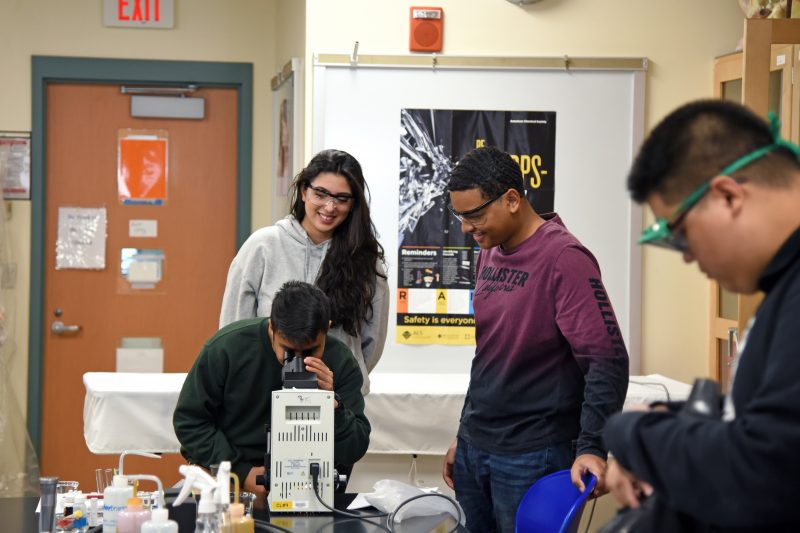
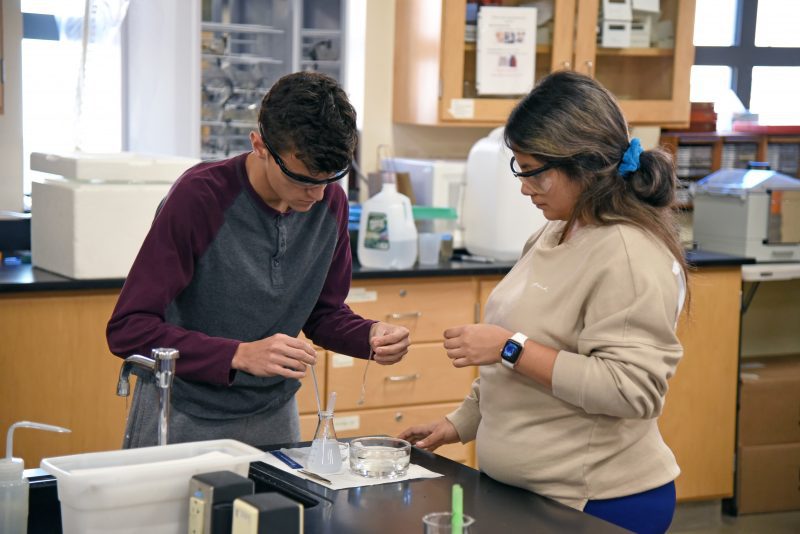
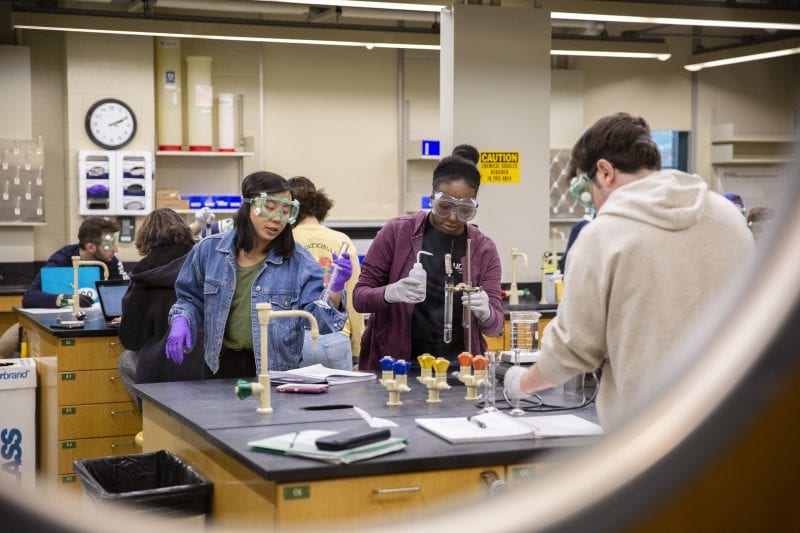
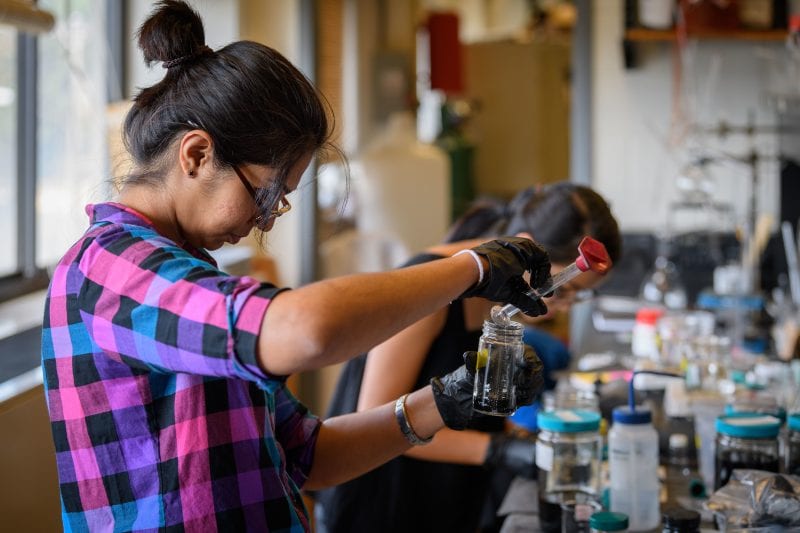
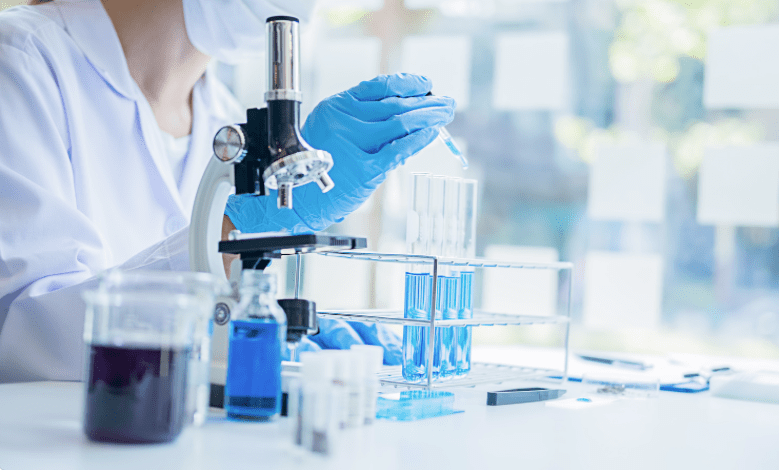
This Courses is designed to foster interest, confidence, and achievement in chemistry, particularly among students from underserved schools. By providing an inclusive, hands-on environment, the program bridges the gap between high school and college-level STEM experiences, exposing students to advanced concepts in chemistry, guided laboratory experiments, and problem-solving exercises beyond standard curricula. The course will focus on mentorship and learning through experience. Students will take part in workshops, lab activities, and discussions that help them better understand advanced chemistry topics and gain hands-on experience. Instructors will work closely with small groups of students, encouraging their interest and persistence in science careers.
Sessions Offered

Storrs Session 1:

June 21, 2026 - June 27- 2026


Format

Residential & Credit

This class is meant to be immersive and students will:

1. Engage in hands-on chemistry experiments

2. Strengthen core chemistry knowledge and skills to engage with rigorous laboratory work.

3. Develop experimental design and data analysis skills.

4.  Increase students' interest and self-efficacy in pursuing advanced STEM studies and careers in STEM.

5.  Leave with mentors at UConn that will support your continued interest in the field of Chemistry.
UConn Pre-College Summer: Allied Health Medical Terminology

UConn Pre-College Summer: Allied Health Medical Terminology

UConn Pre-College Summer: Allied Health Medical Terminology

Meet the Professor


Fatma Selampinar, PhD

Professor in Residence, UConn Department of Chemistry

Dr. Fatma Selampinar is a Professor in Residence in the Department of Chemistry at the University of Connecticut, where she has taught since 2003. She also serves as the Early College Experience (ECE) Chemistry Coordinator. With over two decades of experience in chemical education and mentoring, Dr. Selampinar is deeply committed to making chemistry accessible, engaging, and equitable for all learners.
Dr. Selampinar earned her B.S. in Chemical Education and her M.S. and Ph.D. degrees in Chemistry from the Middle East Technical University in Turkey, specializing in polymer and physical chemistry. She came to the University of Florida with a fellowship from TÜBİTAK during her Ph.D. studies. She conducted her postdoctoral research at the University of Florida, studying electroactive polymers and their applications in controlled drug and biomolecule release.
At UConn, Dr. Selampinar also leads a range of outreach activities that allow high school students to experience college life and foster meaningful relationships between university faculty and high school teachers.
Dr. Selampinar is actively involved in expanding access to quantum science education. She co-organizes Molecular Quantum Days (MolQ Days)—an innovative outreach initiative supported by NASA’s Connecticut Space Grant Consortium—where high school students from across Connecticut visit UConn to explore quantum chemistry through lectures, demonstrations, and hands-on experiments. She also collaborates with faculty across departments to develop teacher workshops and learning modules that integrate quantum topics into the high school chemistry curriculum.
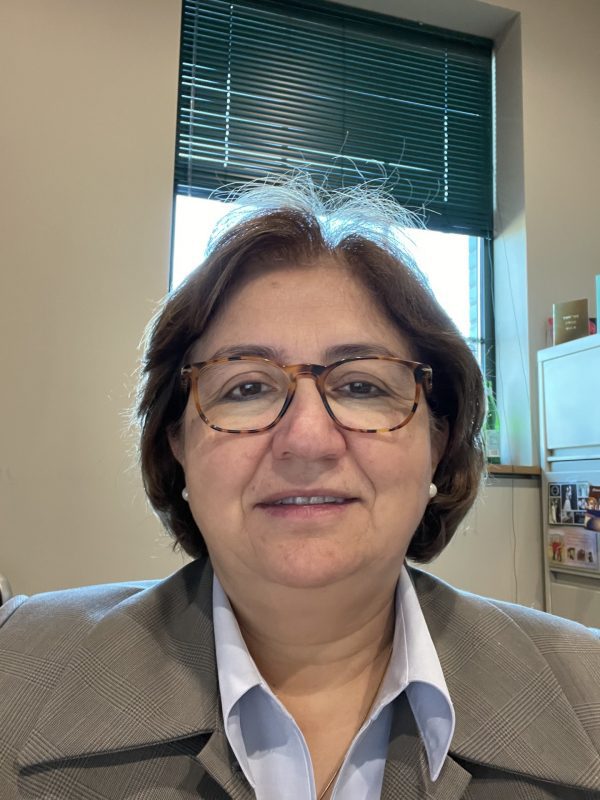
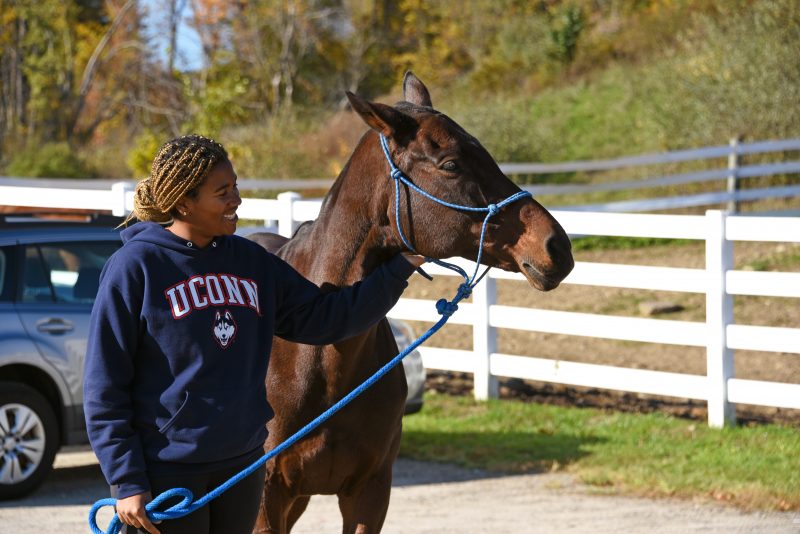
Dr. Fatma Selampinar

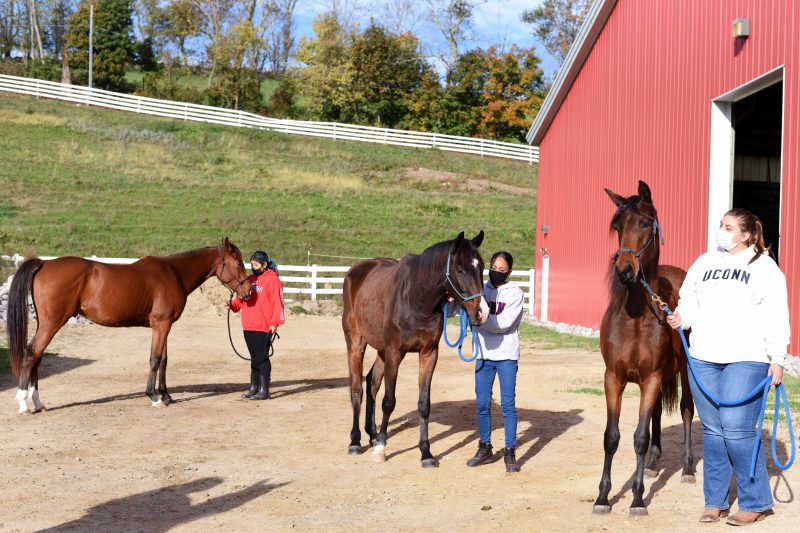
Introduction to Equine Science and Horsemanship

Exploring Equine Management, Health, Care and Training

Sessions Offered

Storrs Session 2:

July 5, 2026 - July 11, 2026

Format

Non-Credit

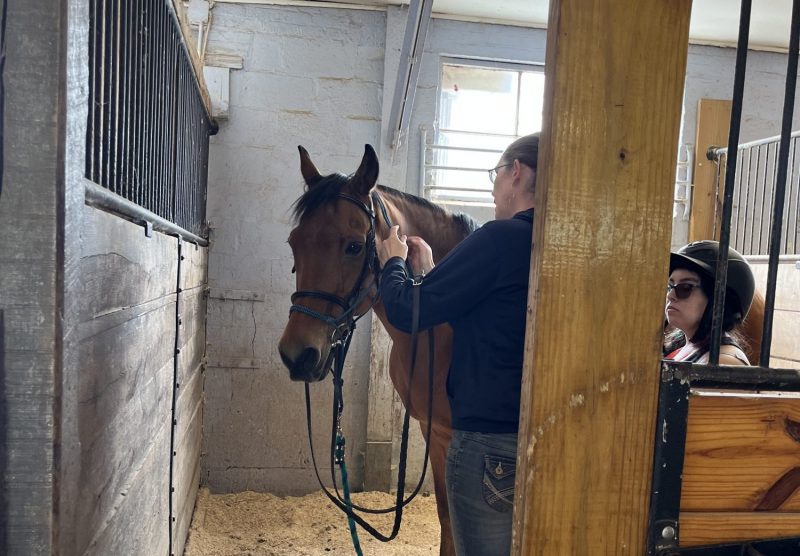
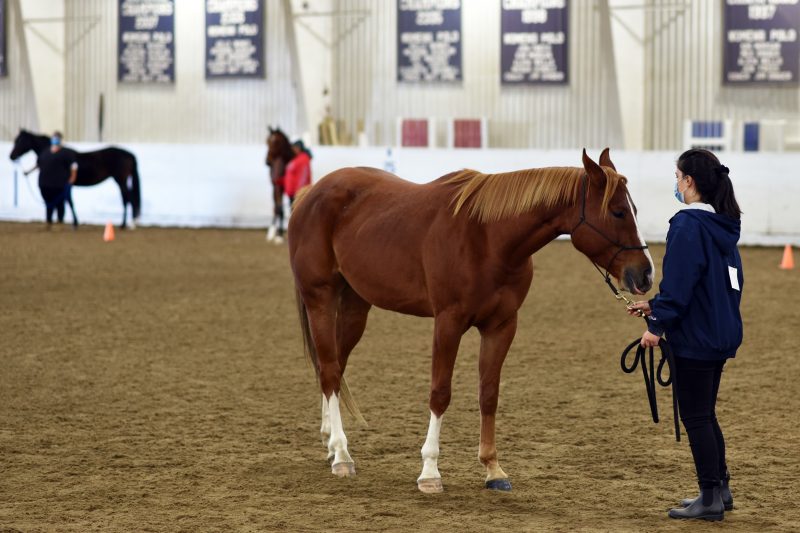
This class is meant to be immersive and students will experience:

UConn PCS: Introduction to Equine Science and Horsemanship

UConn PCS: Introduction to Equine Science and Horsemanship

Meet the Professor


Melissa Tindall

UConn Dressage Team Coach

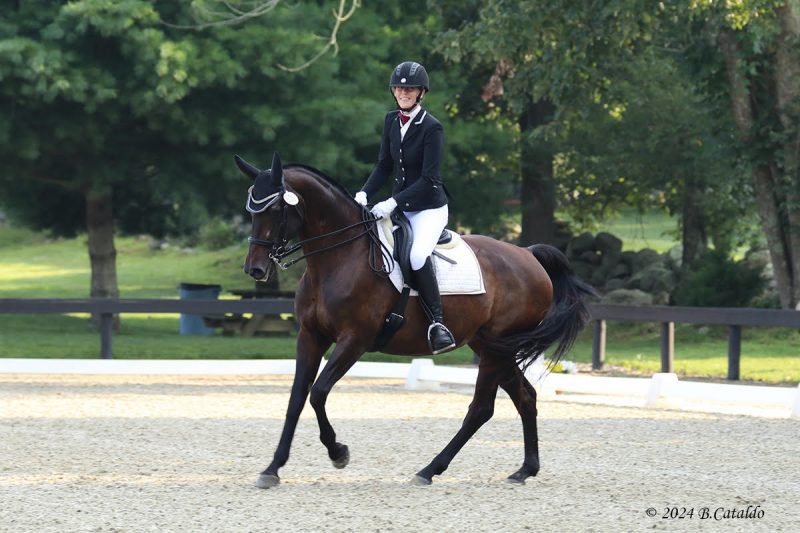
Melissa began her equestrian journey in hunter-jumpers and eventing, but for the past 25 years, she has dedicated herself to dressage. She currently competes at the FEI Prix St. Georges level, participating in recognized shows, and has earned her USDF Bronze Medal in 2016. She achieved this milestone on a self-trained mare, whom she purchased as a yearling and developed from the ground up to the PSG level.
As a UConn alumna with a BFA in Illustration, Melissa brings a unique blend of creativity and discipline to her work. At UConn she serves as coach of the UConn Dressage Team, and she teaches both dressage and jumping lessons. These lessons, available to students and community members of all levels, emphasize using dressage principles to improve rider balance and enhance communication between horse and rider. Under her guidance, the UConn Dressage Team has consistently competed at the IDA National Championships, with one of her students winning the IDA National Championship in 2024 and others securing top-three finishes in recent years.
Melissa’s extensive teaching experience includes an apprenticeship with FEI rider and USDF Instructor Melanie Tenney at the BHS-approved Woodcock Hill in Connecticut, where she completed the British Horse Society Instructor training program. Her focus there was on eventing, horse management, and training. Over the years, she has managed several young horse training and sales barns, but her true passion lies in teaching.
Her approach to teaching is rooted in positive reinforcement and a deep understanding of biomechanics. She incorporates both in-hand and mounted work to foster connection and mutual understanding between horses and riders. Melissa’s riding and teaching have been shaped by the guidance of several national and international instructors, including Jan Ebeling, Eric Horgan, and David Marcus, among others. These experiences, along with her ongoing interest in biomechanics, continue to influence her approach to training and teaching today.

Equine Science: Health, Management and Rehabilitation

Exploring equine health as it relates to training and rehabilitation of horses for sport; for students with intermediate and above prior experience with horses

UConn PCS: Equine Science

Sessions Offered

Storrs Session 3:

July 12, 2026 - July 18, 2026

Format

Non-Credit

This class is meant to be immersive and students will experience:

UConn PCS: Introduction to Equine Science and Horsemanship

UConn PCS: Introduction to Equine Science and Horsemanship

UConn PCS: Introduction to Equine Science and Horsemanship

Meet the Professor


Melissa Tindall

UConn Dressage Team Coach

Melissa began her equestrian journey in hunter-jumpers and eventing, but for the past 25 years, she has dedicated herself to dressage. She currently competes at the FEI Prix St. Georges level, participating in recognized shows, and has earned her USDF Bronze Medal in 2016. She achieved this milestone on a self-trained mare, whom she purchased as a yearling and developed from the ground up to the PSG level.
As a UConn alumna with a BFA in Illustration, Melissa brings a unique blend of creativity and discipline to her work. At UConn she serves as coach of the UConn Dressage Team, and she teaches both dressage and jumping lessons. These lessons, available to students and community members of all levels, emphasize using dressage principles to improve rider balance and enhance communication between horse and rider. Under her guidance, the UConn Dressage Team has consistently competed at the IDA National Championships, with one of her students winning the IDA National Championship in 2024 and others securing top-three finishes in recent years.
Melissa’s extensive teaching experience includes an apprenticeship with FEI rider and USDF Instructor Melanie Tenney at the BHS-approved Woodcock Hill in Connecticut, where she completed the British Horse Society Instructor training program. Her focus there was on eventing, horse management, and training. Over the years, she has managed several young horse training and sales barns, but her true passion lies in teaching.
Her approach to teaching is rooted in positive reinforcement and a deep understanding of biomechanics. She incorporates both in-hand and mounted work to foster connection and mutual understanding between horses and riders. Melissa’s riding and teaching have been shaped by the guidance of several national and international instructors, including Jan Ebeling, Eric Horgan, and David Marcus, among others. These experiences, along with her ongoing interest in biomechanics, continue to influence her approach to training and teaching today.

Nutrition: Food Science and Technology

Explore the Science of Food

Understanding the science and technology behind food products helps us to make healthy food choices. Not only does this translate to our everyday lives, but it can also pave the way to an interesting career path that combines science, nutrition, healthy safety and best of all, food. The field of food science and technology includes food microbiology and safety, food quality assurance, food engineering and technology, food chemistry, product and formulation development, food packaging, sensory evaluation, food marketing, and food regulations.

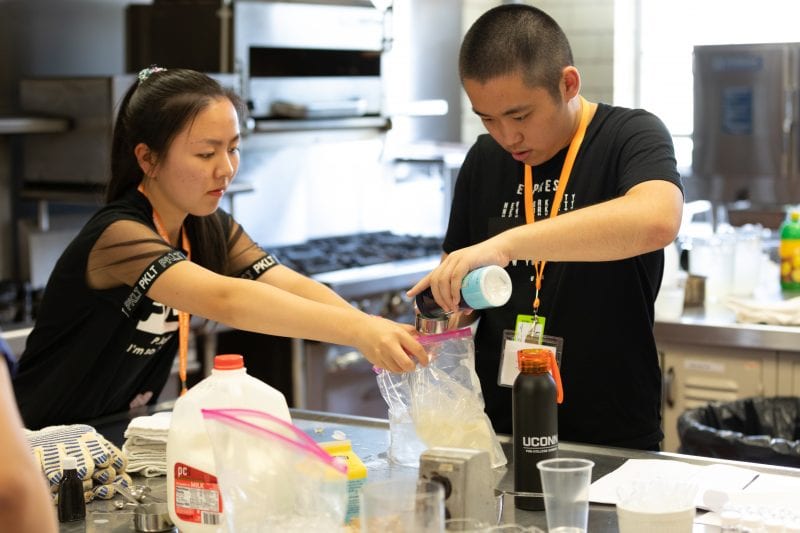
This course is composed of in-class lectures and hands-on laboratory experiments to help students turn their knowledge of the principles of food science into practices as a food scientist. Upon completion of this course, students will be able to make healthy food choices by understanding scientific principles behind food preparation and processing.

UConn PCS: Food Science

Sessions Offered

Storrs Session 4:

July 19, 2026  - July 25, 2026

Format

Non-Credit

This class is meant to be immersive and students will experience:

  • Basic terminologies and concepts of food production
  • Modern technologies used in the food industry
  • Key practices to assure the quality, safety, and palatability of raw and cooked foods
  • General facts and relevant food regulations that consumers should be aware of
  • Career opportunities in the field of food and nutrition

UConn PCS: Food Science

UConn PCS: Food Science

UConn PCS: Food Science

Meet the Professor


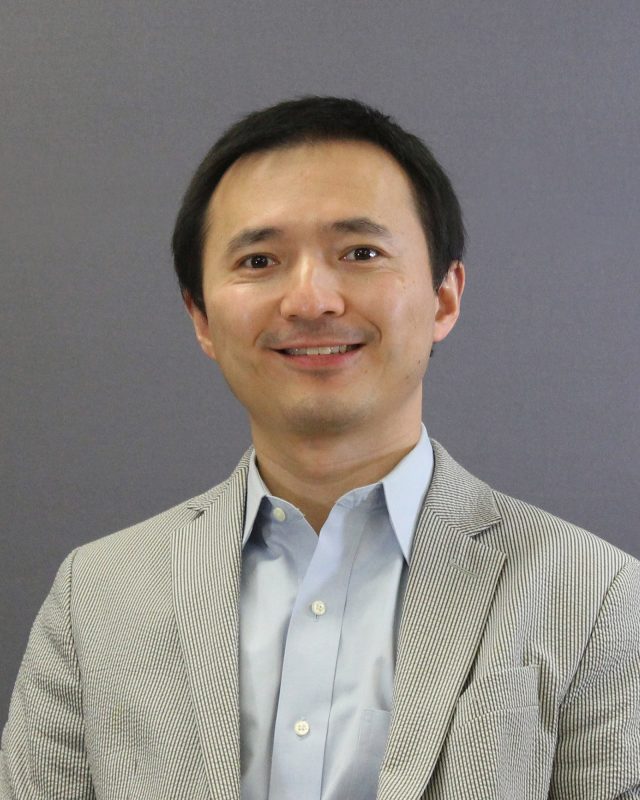
Yangchao Luo, Ph.D

Associate Professor, UConn Department of Nutritional Sciences

Yangchao Luo, Ph.D., is an Associate Professor of Food Science in the Department of Nutritional Sciences. He studies food chemistry and engineering to ensure the safety and quality of products, as well as innovative food processing technologies to manufacture novel food products. Dr. Luo was recently recognized by Web of Science as one of the World's Most Highly Cited Researchers for 2021 - 2024 in the field of Agricultural Sciences. He is currently serving as the Editor-in-Chief for the Journal of Agriculture and Food Research.

Check out this webpage to know more about Prof. Luo: Home | Luo Research Group

UConn Pre-College Summer: Yangchao Luo Food Science Faculty

Pre-Vet: Marine Animal Health and Veterinary Science

Immerse yourself in the marine world and explore your passions for veterinary science, animal care, animal training and research.

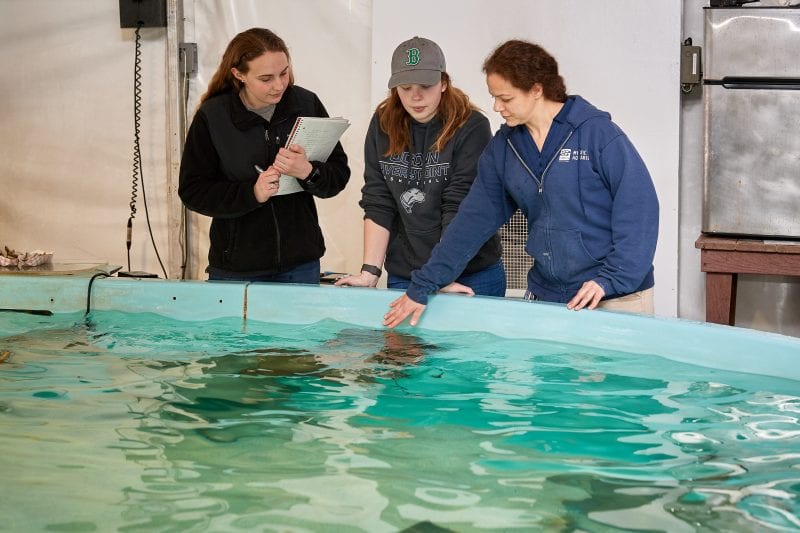
The Pre-Vet: Marine Animal Health and Veterinary Science course will be hosted at Mystic Aquarium in Mystic, CT where students will have the opportunity to immerse themselves in the marine world. Throughout this course students will be interacting with aquarium research scientists, veterinarians, animal trainers and animal rescue professionals to understand the science behind their work. Students will gain knowledge and experience through labs and activities focused on animals at Mystic Aquarium including penguins, seals, reptiles, whales and fishes.

Through this course students will participate in labs, tours and activities that will increase their scientific literacy in genetics, hematology, microbiology, anatomy and physiology. Students will learn about careers and education/career pathways directly from working professionals to understand if animal health and veterinary science is a desirable education and career path. Journal discussions will develop students’ skills in reading and analysis of primary scientific literature.

The course involves off-site visits to Mystic Aquarium and the UConn, Avery Point Campus. Supervised transportation is provided by the program and is included in the course cost and fees. Parents/guardians and students will be required to submit Mystic Aquarium participation forms prior to attending this course.

Sessions Offered

Storrs Session 1:

June 21, 2026 - June 27, 2026

Format

Non-Credit

Related Courses

Marine Biology

This class is meant to be immersive and students will experience:

  • Learn about a wide variety of careers in animal health and veterinary science, from professionals in all stages of their careers.
  • Participate in lab programs focused on hematology, microbiology, molecular biology, anatomy and physiology, and learn how each is utilized to analyze an animal’s health.
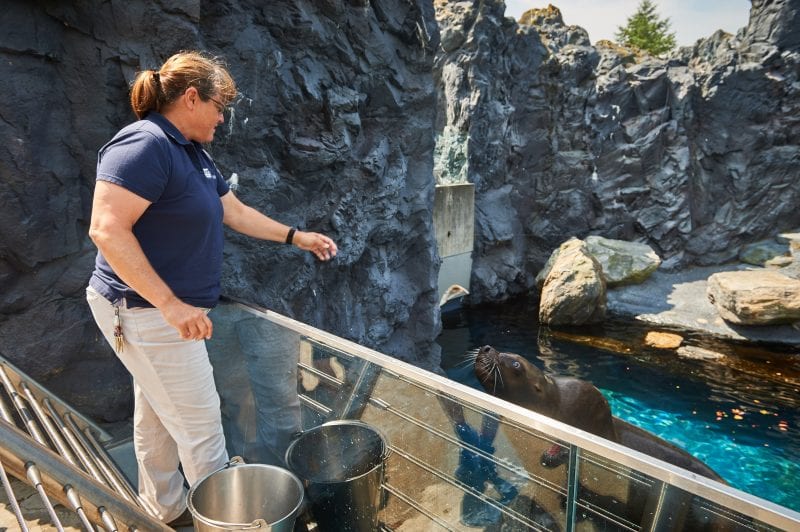
  • Observe feeding and training sessions with beluga whales, penguins and sea lions, and have the opportunity to learn from and ask questions of their animal care teams.
    • Please note: students will not have direct encounters with marine mammals.
  • Visit behind-the-scenes areas to view animal care, research and veterinary staff at work. This will include a visit to the animal rescue clinic to understand the veterinary care of both animals at the aquarium temporarily for rehabilitation as well as animals permanently in our care.
  • Explore current topics in marine mammal research during journal article discussions.

UConn PCS: Pre-Vet

UConn PCS: Pre-Vet

UConn PCS: Pre-Vet

This course will include labs @ Mystic Aquarium & UConn Avery Point


Meet the Professor


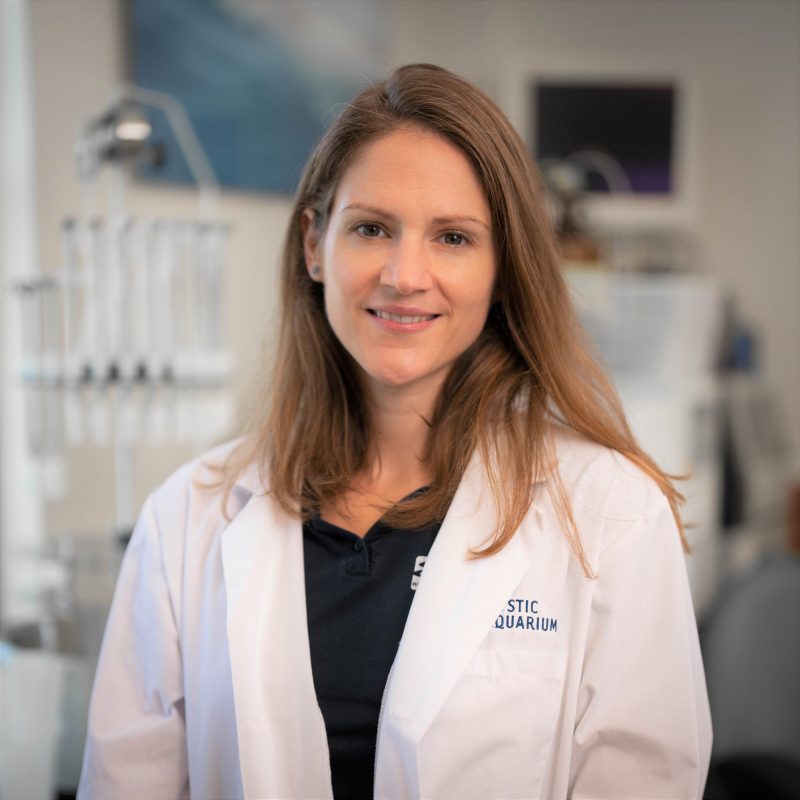
Dr. Laura Thompson, Ph.D.

Mystic Aquarium Research Scientist

University of Connecticut Assistant Professor in Residence of Marine Sciences

https://marinesciences.uconn.edu/person/laura-thompson/

Dr. Thompson is a research scientist at Mystic Aquarium where she has held multiple positions since 2005. Her time at Mystic includes carrying out her PhD studies on dive physiology in Marine Mammals, as a joint student with the University of Connecticut Marine Sciences Program. Dr. Thompson is involved in many aspects of research at the Aquarium including the development of non-invasive sampling techniques and investigating the response of the immune system to environmental and anthropogenic challenges. Her unique area of interest lies in understanding the complicated relationship between diving and health, via adaptation of the immune system in marine mammals as compared with humans. Dr. Thompson holds a BSc with Honours in Marine and Freshwater Biology from Queen Mary College, University of London and a PhD in Oceanography from the University of Connecticut. She is also an Assistant Professor-in-Residence at UConn, and lectures for Marine Biology courses offered at UConn and URI.

UConn PRe-College Summer: Laura Thompson Pre-Vet Faculty

Earth and Environmental Sciences

The Earth, The Environment, and You

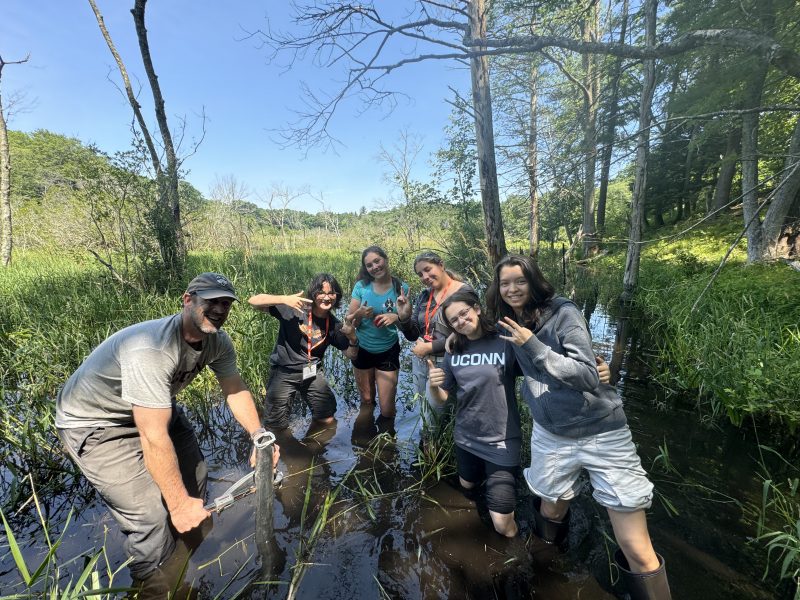
This summer experience program focused on Earth and Environmental Science, high school students will explore the field via a course bridging camp and college-level study. Brought to you by UConn Department of Earth Sciences Faculty, Dr. Ouimet and Dr. Hren, students will have the opportunity to work side-by-side with field researchers and experts.

Earth Scientists study all aspects of the Earth system, including its history, structure, rocks, soils, rivers, oceans and atmosphere. The UConn Environmental Science pre-college summer course will introduce this wide-ranging discipline and discuss how earth and environmental scientists play a crucial role in understanding and making predictions about a diverse range of earth resources, processes and hazards, from mineral deposits to earthquakes to floods and climate change. Why is this important? Earth’s ecology is closely linked to sustainability and environmental science is key to this pursuit.

This Earth and Environmental summer course for high school students will integrate:

  • lectures and dynamic learning modules on background earth science material.
  • field and lab demonstrations.
  • collection and analysis of rock, soil and water samples.
  • guest visits from UConn Earth Sciences faculty across the wide range topics in the discipline.

Sessions Offered

Session 1: June 22 – June 28

Format

Residential, Non-Credit

This class is meant to be immersive and students will experience:

  • The many aspects of Earth & Environmental Science and the diverse methods and approach scientists used to study the Earth system
  • How to analyze the mineralogy and environmental geochemistry of rocks, soil, water and sediments.
  • How to understand and interpret the geologic history of Connecticut.

Schedule at a Glance


7am – 9am: Breakfast

9am – 12pm: Class

12pm – 1:30: Lunch

1:30pm – 4pm: Class or Workshop

2:40pm – 4:45pm: Closing Ceremony on Friday

5pm – 7pm: Dinner

7pm – 9pm: Social Programming

10:30pm: Room Checks

Meet the Professors


UConn Environmental Science Pre-College Summer Program Instructor: Dr. William OuimetWilliam Ouimet, Ph.D., Associate Professor of Earth Sciences
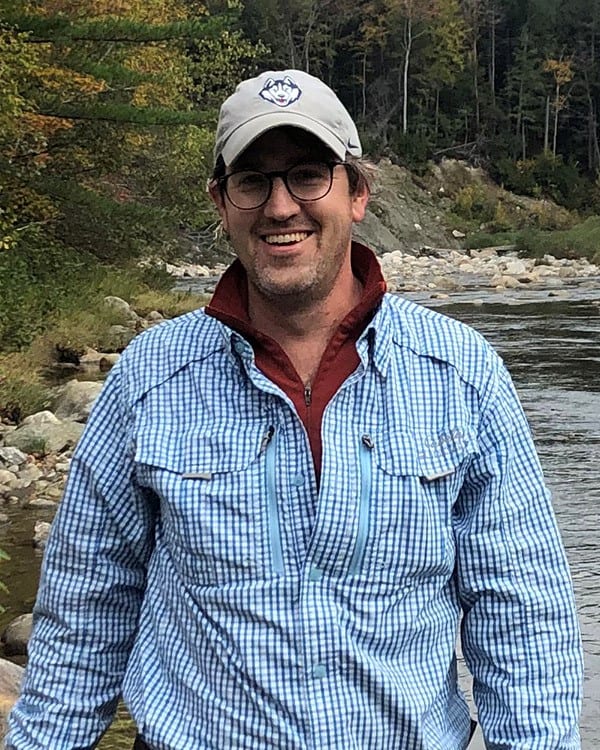
Dr. Ouimet (Will) is an Associate Professor of Earth Sciences at UConn. He loves working with students outdoors and on field trips, and it’s one of the reasons he became an Earth Scientist. His research and teaching involves the study of erosion, rivers, landslides and environmental change around the world, as well as the influence of human activities. He works in the field, where he collects samples and maps out geological features, in the lab, where he analyzes rocks, water, soil and sediment, and on the computer, where he explores remote sensing datasets of the earth and uses models to simulate how landscapes change through time. His research has taken him all over world, from the Colorado Rockies, to Greece, Tibet, Taiwan, and the Bahamas. It has also allowed him to appreciate and explore the geology underfoot and processes at play here in southern New England, right where he grew up.


UConn Environmental Science Pre-College Summer Program Instructor: Dr. Michael HrenMichael Hren, Ph.D., Associate Professor of Earth Sciences
Dr. Hren (Mike) is also an Associate Professor of Earth Sciences at UConn. His research and teaching is focused on understanding how Earth’s climate, ecosystems, and environment evolve over time and how Earth’s history informs its future. His work takes him to mountain ranges around the globe, from the high peaks of Patagonia to the mountains of Tibet to the Sierra Nevada of California, where he and his students collect sediment, rocks, soils and water to bring back to UConn for analysis. He is the director of the Stable Isotope and Organic Molecular Biogeochemistry laboratory, and when not traveling for research, can be found working in the laboratory with students and colleagues from UConn and visitors from around the world analyzing modern and ancient plants, sediments and even an occasional woolly mammoth, to understand Earth and life through time.
Nutrition: Human Nutrition and Health

How do dietary behaviors impact human body function and health?

Prerequisite: High School Biology with a grade of C or higher

The field of nutritional science explores the interactions between living organisms and food. Exploring nutritional concepts is applicable to everyday life and a variety of professions that includes medicine, dentistry, pharmacy, nursing, physician assistant, dietetics, education, policy, and the food, retail, and restaurant industry. Taking this course will give you an advantage about how what we eat or drink impacts the functioning of the human body and a person’s health.

This course will introduce you to the field of nutritional science and health. Students will have interactive in-class lectures with videos. In addition, students will use critical thinking skills to complete case studies and hands-on activities individually and small groups to further their understanding about dietary behaviors, nutrients in foods and the human body, and linking nutrient intake to overall health. In addition, students will learn about educational pathways and experiences leading to careers in healthcare, nutrition, research, and the food industry.

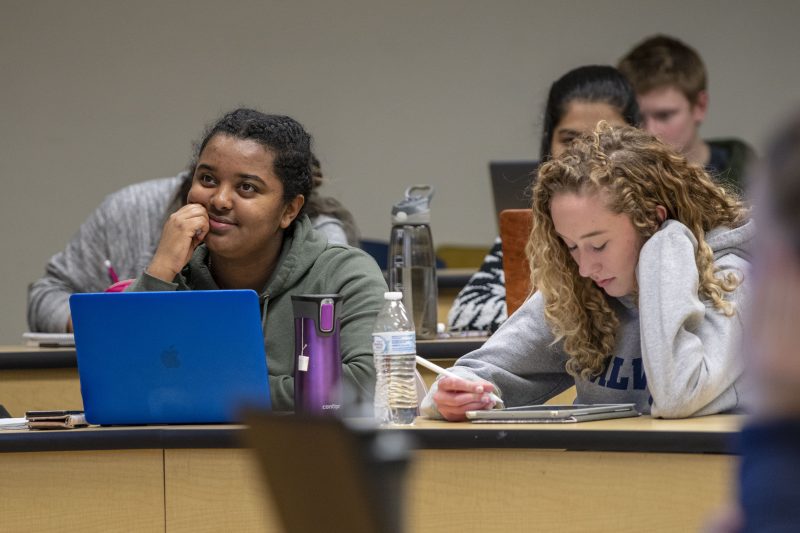
Image of lecture

Sessions Offered

 Storrs Session 3:

July 12, 2026 – July 18, 2026

Format

Non-Credit

This class is meant to be immersive, and students will be able to:

• Identify factors that impact food and beverage selection
• Identify nutrients in specific foods and beverages
• Discuss how food is processed in the body
• Explore the connection between dietary behaviors and health outcomes
• Identify strategies and steps to pursue a career related to healthcare, nutrition, research, and the food industry

Image of students in class

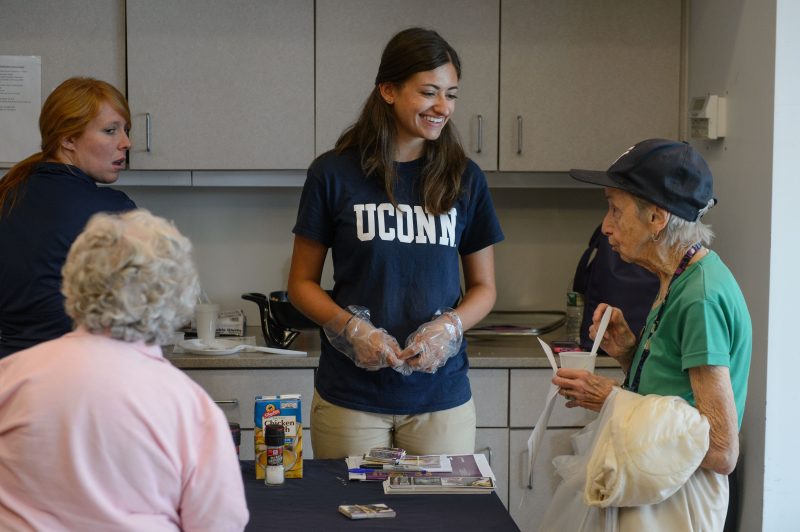
Image of student

Students in class

Meet the Professor


Molika Chea, Ph.D., RDN, CHES

Lecturer, UConn Department of Nutritional Sciences

Molika Chea is a lecturer in the Department of Nutritional Sciences at the University of Connecticut. She has completed her undergraduate degree at the University of Connecticut majoring in Nutritional Sciences and Biological Sciences.
With an interest in understanding the relationship between nutrient function, dietary behaviors, and health, she continued her graduate studies in Nutritional Sciences at the University of Connecticut. She has conducted research with populations in Connecticut about meeting the recommendations for plant-based food groups and the ability to identify whole grain foods.
Dr. Chea currently teaches NUSC 1165: Fundamentals of Nutrition and NUSC 1167: Food, Culture, and Society during the academic year. She is also Associate Director of the Master’s of Personalized Nutrition Online Program and Graduate Certificates in Precision Nutrition and Plant-Based Food and Nutrition Online Program at the Department of Nutritional Sciences. She also teaches an online graduate course, NUSC 5325: Principles of Nutritional Assessment.

Image of Professor Chea
Molika Chea on Oct. 13, 2021. (Kayla Simon/UConn Photo)